ReelEats: Turning Food Reels Into Real Restaurant Visits

ReelEats pulls restaurant and cafe details out of reels, screenshots, captions and map links, turning scattered social content into searchable spots with ratings, reviews and directions. Mobilions built the iOS app with SwiftUI and MapKit, a Node.js backend running OCR and AI analysis, and Google Places enrichment.

ReelEats food discovery app converting a saved reel into a mapped restaurant spot
Since 2016
0+Projects Delivered
0+Clients Served
0+Countries Reached

Project Overview

A summary of what ReelEats is and what Mobilions engineered.

ReelEats is an AI food discovery app that pulls restaurant and cafe details out of reels, images, captions and map links, and turns that scattered social content into structured, searchable spots complete with ratings, reviews and collections. The food you saw and meant to try finally becomes a place you can actually find and visit.

The core problem: everyone saves food reels and screenshots, then nobody can find them at the moment they want to eat. ReelEats turns that saved content into organized, searchable food spots with real addresses, ratings and directions, so a liked place is one tap away when hunger strikes.

Mobilions built the iOS app using SwiftUI with MapKit, a Node.js backend running the API, OCR processing and AI content analysis, and Google Places enrichment that fills every extracted spot with real-world data. The app feels instant on the surface while doing a surprising amount of work underneath.
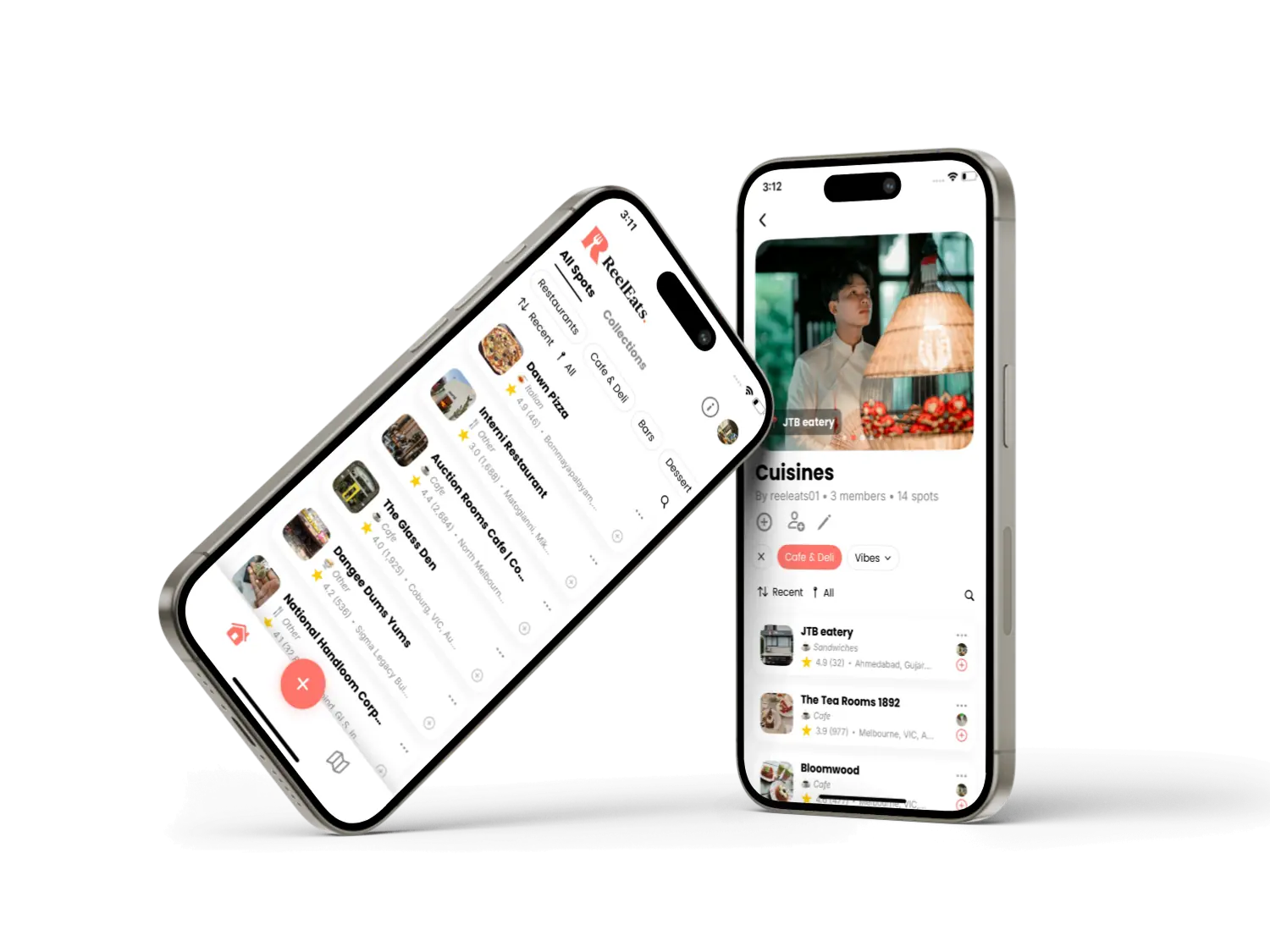
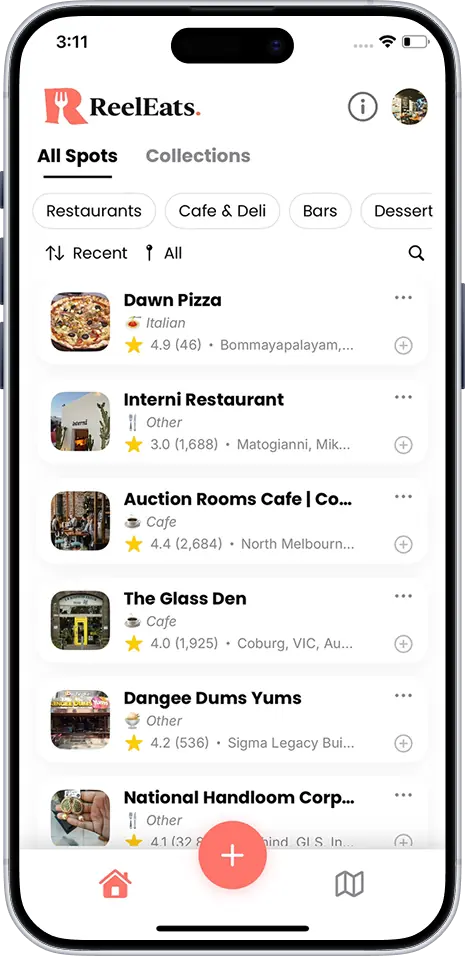
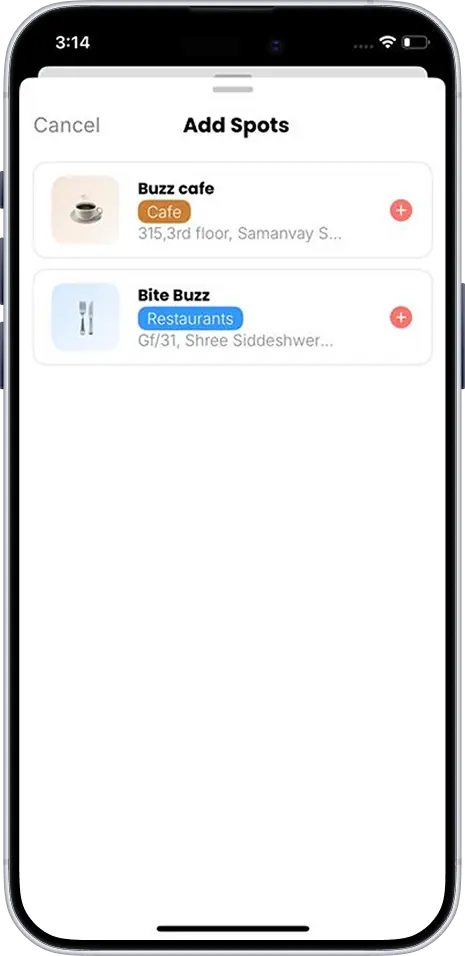
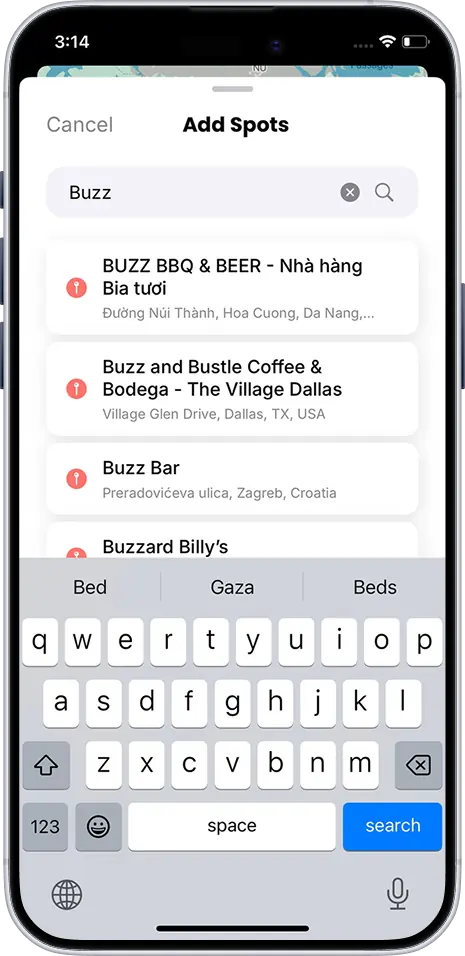
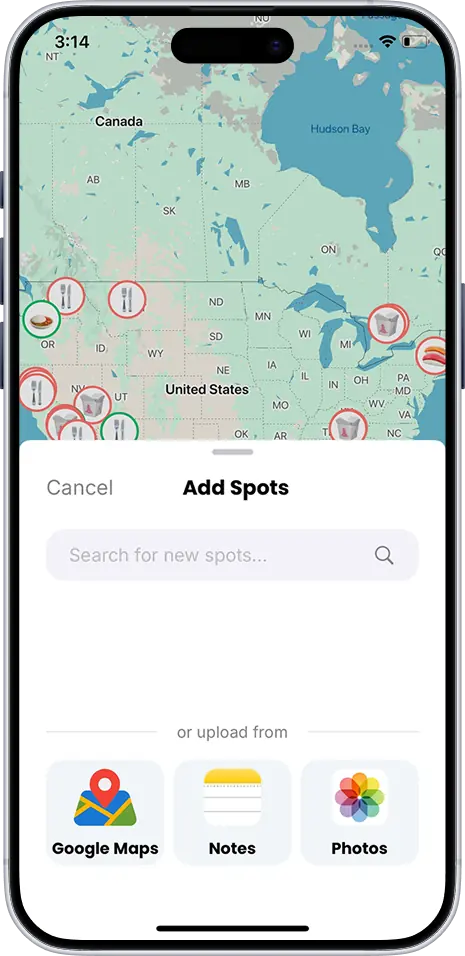
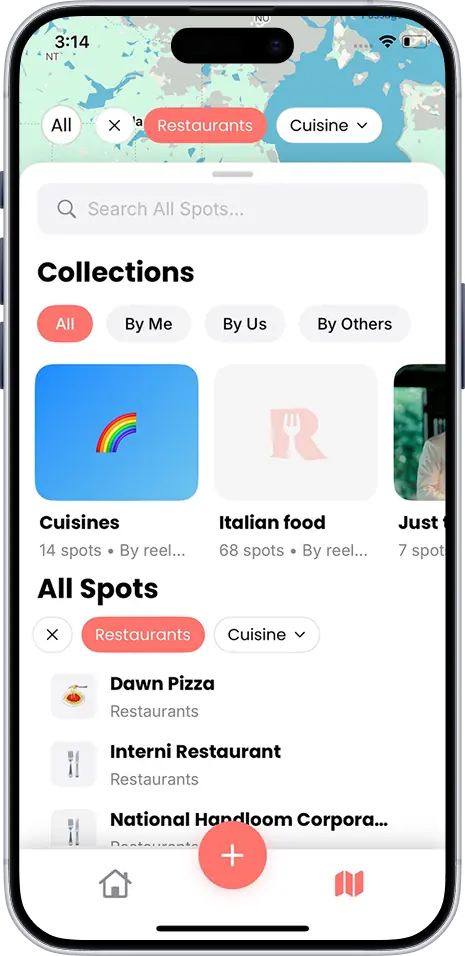
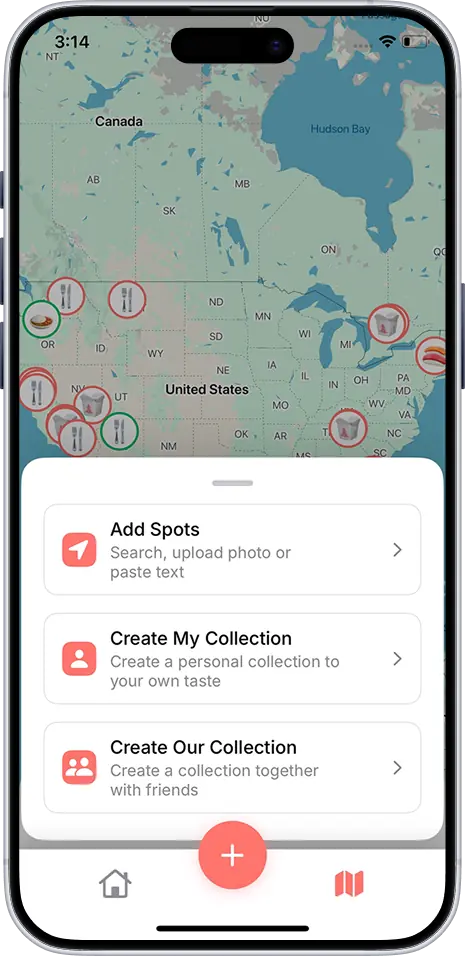
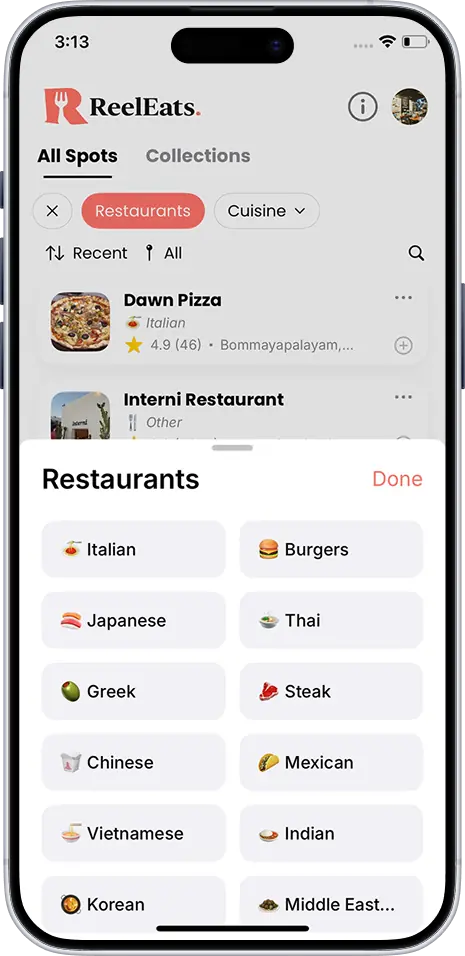
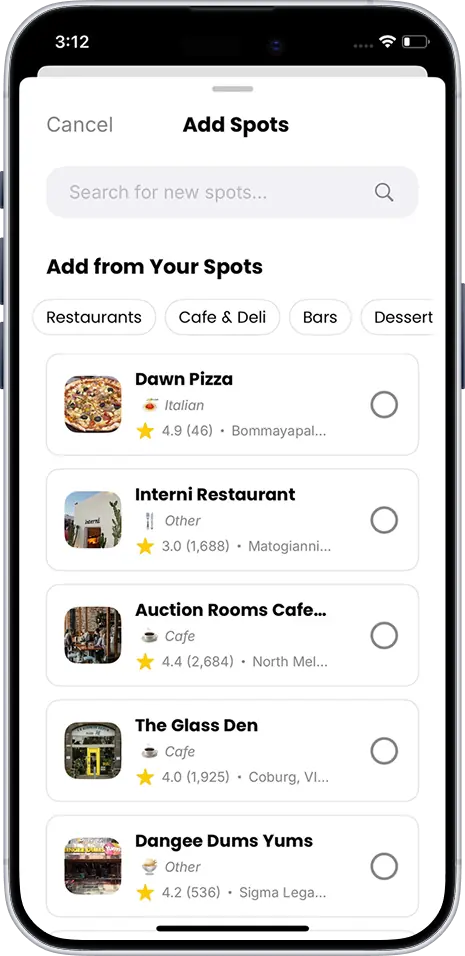
ReelEats spot list and map discovery screens

Client Snapshot

Key facts about the product, platform and market at a glance.

Industry

Food Discovery

Platform

iOS

Year

2026

Market

Information not available in source documents.

Services Delivered

The scope of work Mobilions delivered on ReelEats.

  • Mobile app development (iOS)
  • Backend / API development
  • AI content extraction and OCR processing
  • Data enrichment (Google Places integration)

Technology Stack

The languages, services and tools behind the build.

  • SwiftUI (iOS interface)
  • MapKit (location features)
  • Node.js (backend)
  • REST API
  • OCR extraction, AI spot detection, content analysis
  • Google Places API (data enrichment)

The Challenge

The core problems ReelEats had to solve.

Business Challenge

People save food reels and screenshots constantly, but the content sits buried in a camera roll or a saved folder, completely useless at the one moment someone actually wants to eat. The app had to turn that saved chaos into organized, searchable spots with real addresses, ratings and directions so a liked place is recoverable on demand.

Technical Challenge

Social food content arrives in many shapes — a reel with the name in a caption, a screenshot with text laid over an image, a map link in a message — and the app had to accept all of them and pull the same structured spot data from each. OCR output from screenshots is noisy (names buried among menu items, prices, watermarks and interface text), people rarely have the full exact name, and browsing, filtering and mapping had to stay fast as a user saves hundreds of spots.

Our Approach

How Mobilions moved from discovery to a working discovery engine.

01

Discovery

Information not available in source documents.

02

Architecture

SwiftUI handles the native iOS interface with MapKit powering location features. A Node.js backend runs the API, the OCR processing and the AI content analysis, and the Google Places API enriches every extracted spot with real-world data.

03

Execution

The team built a multi-input processing pipeline that normalizes every input type into a common format before AI processing, layered AI filtering on top of raw OCR, added fuzzy matching in the enrichment step, and designed the data and interface for scale from the start.

Engineering Decisions

The deliberate trade-offs that shaped the build.

01

Multi-input normalization pipeline

Shared reels have their captions and frame text extracted, screenshots run through OCR, and map links are parsed for their place IDs directly. Every input type is normalized into a common format before the AI processing begins, so the rest of the system only ever deals with one tidy shape of data.

02

AI filtering layered on raw OCR

After OCR reads everything visible, the AI works out which part is actually the spot name and discards the surrounding noise, so a cluttered screenshot full of menu items, prices and watermarks still resolves to the right single place rather than a wall of text.

03

Fuzzy matching in the enrichment step

A partial name, misspelling or fragment is matched against the most likely real place on Google Places rather than rejected. Combined with any location hints from the content, this turns a half-remembered name into a confidently identified restaurant.

Technology Considerations

Why the stack was chosen and the trade-offs it carries.

Why These Technologies

SwiftUI and MapKit give a native iOS interface with built-in location features; a Node.js backend handles the API, OCR and AI content analysis; and the Google Places API supplies verified real-world data for every spot. The combination keeps the surface instant while the heavy processing happens server-side.

Tradeoffs

Information not available in source documents.

Scalability Considerations

The data and interface were designed for scale from the start, with efficient storage, filtering and map rendering, so the experience stays smooth whether someone has saved ten spots or a thousand — as quick for a power user as for a newcomer.

Implementation Highlights

The features that define the ReelEats experience.

Reel-to-spot extraction

Share any food reel or short video straight to ReelEats. The AI reads the caption, OCR pulls text from the frames, and the spot is identified automatically, so a liked video becomes a real place without typing a thing.

OCR text recognition with Google Places enrichment

Upload a screenshot of a restaurant name, menu or map pin, and OCR scans the visible text while the AI filters out the noise to find the spot name. Every extracted spot is matched against Google Places for a verified address, ratings, photos, pricing and opening hours, with fuzzy matching so even a partial name finds the right place.

Smart collections, map discovery and social sharing

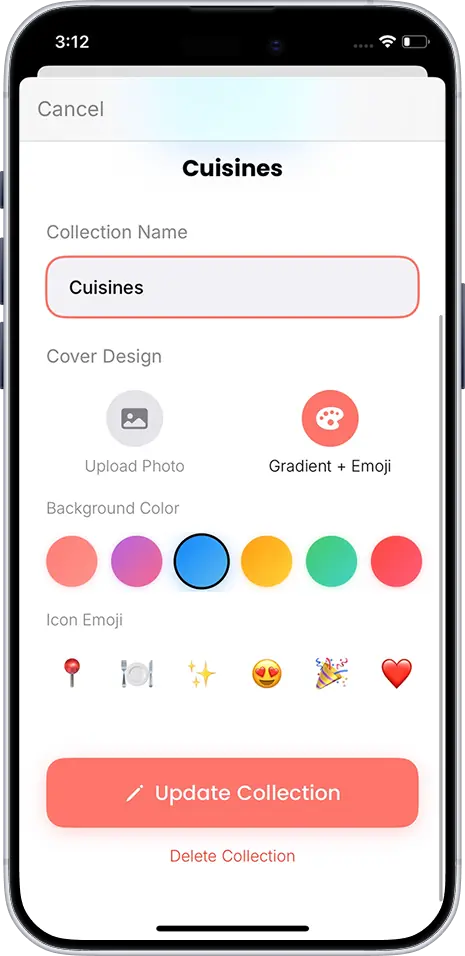
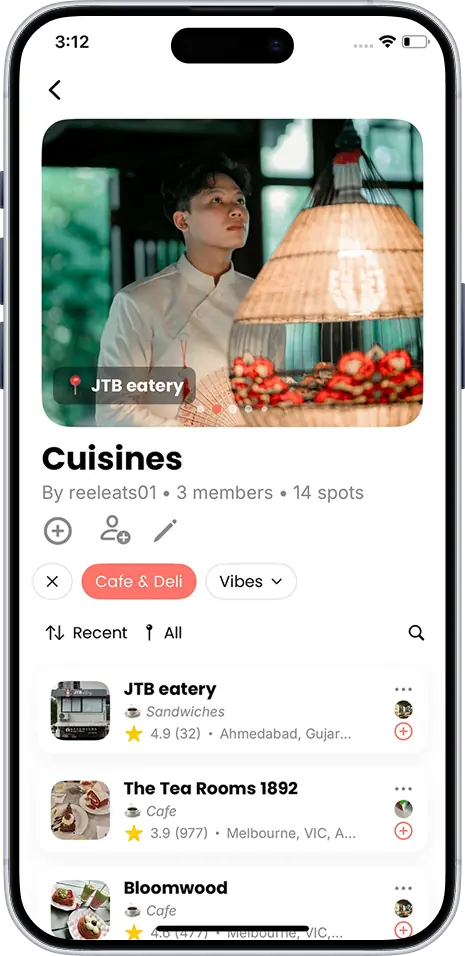
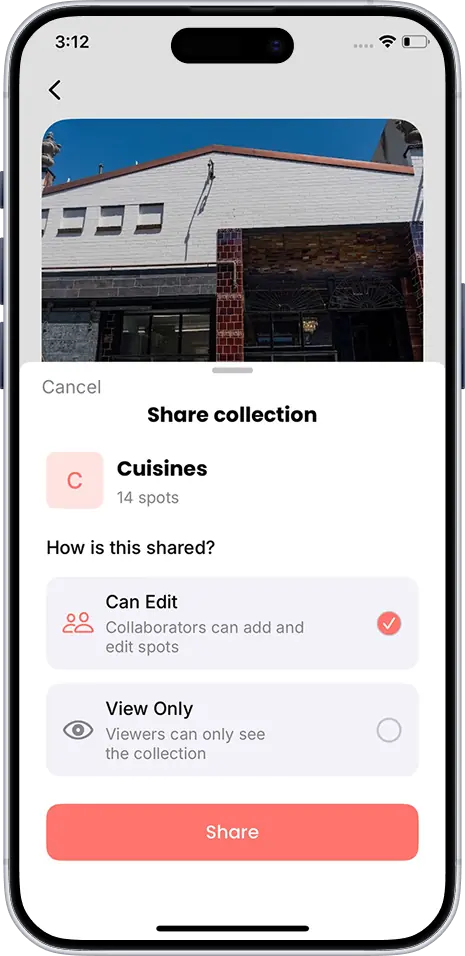
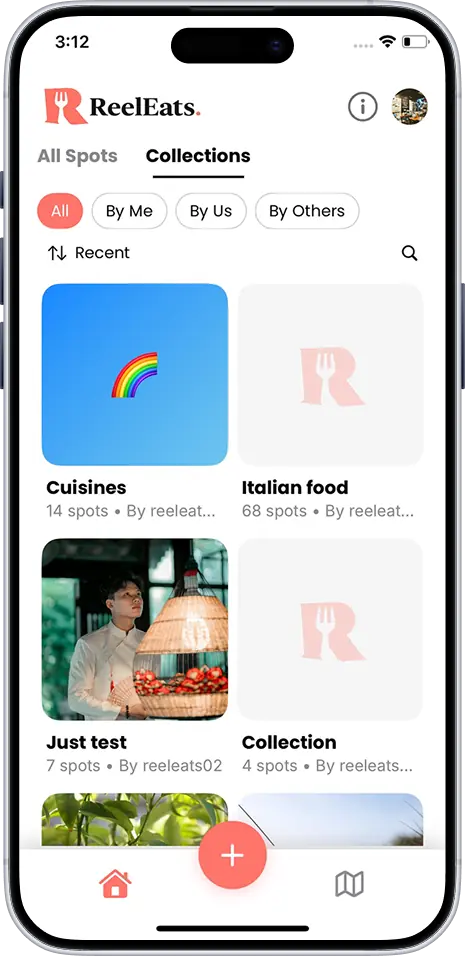
Spots can be organized into personal or shared collections with custom emoji and color covers and filtered by cuisine or vibe. Every saved spot appears on a global map with category filters and directions, and collections can be shared with friends as editable or view-only lists for group food planning.

Key Engineering Highlights

A closer look at the system underneath the product.

Architecture

A SwiftUI and MapKit iOS client over a Node.js REST API backend, with OCR and AI processing on the server and Google Places enrichment for real-world data.

Data Layer

The data was designed for scale with efficient storage, filtering and map rendering; spots are enriched via Google Places (address, ratings, photos, pricing, opening hours). Where a spot does not match Google Places, the app still keeps the extracted name and any user details so nothing saved is lost.

Performance

Reel-to-spot conversion runs in under five seconds, and the app stays smooth from ten saved spots to a thousand thanks to scale-conscious storage, filtering and map rendering.

Security

Information not available in source documents.

Outcome

Information not available in source documents.

Ready to build something like ReelEats?

If you need an AI-powered discovery app with OCR, content extraction and real-world data enrichment, let us show you how we would build it.

What Clients Say

Mobilions' clients describe fast delivery, clear communication, and senior, trustworthy engineering—in their own words.

5.0RATING

Great experience working with this team. They completed the development work quickly and efficiently without wasting time. Communication was clear and consistent, they understood the requirements well, gave smart suggestions, and delivered exactly as discussed. I'd highly recommend them to anyone looking for a reliable, fast, and skilled app development team.

5.0RATING

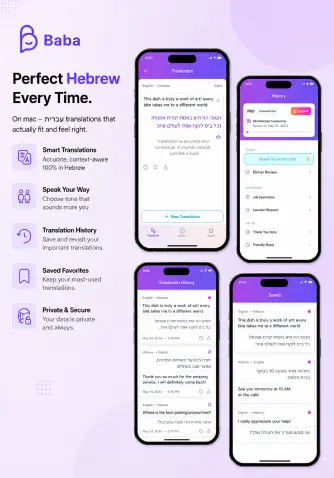
We worked with Ankit, Mayur, and Tushar to build the first version of Baba Hebrew for iOS and Android, and they delivered super fast. The team was responsive, reliable, and efficient, taking the idea from zero to a working app in record time. I'd recommend them to anyone who wants to get an MVP live quickly.

5.0RATING

Tushar and Ankit did an outstanding job developing our native iOS (Swift) and Android (Kotlin) apps. They were efficient, responsive, and technically strong throughout. Thanks to their work, we launched successfully and gained over 1,000 users in the first 30 days. Highly recommend this team for quality mobile app development.

5.0RATING

It was a wonderful experience working with Tushar, Ankit, and their team. They built a great mobile app for me and truly brought my vision to life. What stood out was not just their technical skill but their attitude: always positive, solution-oriented, and incredibly patient. They went above and beyond at every step, finding creative workarounds and staying committed even when things got challenging. Extremely professional and trustworthy. I would absolutely hire them again.

5.0RATING

Great experience working with this team. They completed the development work quickly and efficiently without wasting time. Communication was clear and consistent, they understood the requirements well, gave smart suggestions, and delivered exactly as discussed. I'd highly recommend them to anyone looking for a reliable, fast, and skilled app development team.

5.0RATING

We worked with Ankit, Mayur, and Tushar to build the first version of Baba Hebrew for iOS and Android, and they delivered super fast. The team was responsive, reliable, and efficient, taking the idea from zero to a working app in record time. I'd recommend them to anyone who wants to get an MVP live quickly.

5.0RATING

Tushar and Ankit did an outstanding job developing our native iOS (Swift) and Android (Kotlin) apps. They were efficient, responsive, and technically strong throughout. Thanks to their work, we launched successfully and gained over 1,000 users in the first 30 days. Highly recommend this team for quality mobile app development.

5.0RATING

It was a wonderful experience working with Tushar, Ankit, and their team. They built a great mobile app for me and truly brought my vision to life. What stood out was not just their technical skill but their attitude: always positive, solution-oriented, and incredibly patient. They went above and beyond at every step, finding creative workarounds and staying committed even when things got challenging. Extremely professional and trustworthy. I would absolutely hire them again.

Frequently Asked Questions

Answers to the questions teams ask before building an app like this.

It depends on scope. The cost of a build like this is driven by scope, features, integrations, compliance requirements, team composition, and infrastructure complexity. We provide a fixed estimate after a short discovery call once those are defined.

By combining several signals. The app reads captions, runs OCR over video frames and screenshots, and parses any map links, then the AI works out which text is actually the restaurant name and filters out the noise. That extracted name is matched against Google Places to confirm the real spot.

OCR, or optical character recognition, reads text out of images. In ReelEats it scans screenshots and video frames for any visible text, such as a restaurant name on a sign or menu. On its own OCR returns everything, so the AI then filters that output down to the actual spot name.

Yes. People rarely have the full, exact name, so we built fuzzy matching into the enrichment step. A partial name, a misspelling or a fragment is matched against the most likely real place on Google Places, rather than being rejected, so a half-remembered spot still gets identified.

Once the AI has extracted a likely spot name, the app matches it against Google Places to pull verified details: the address, ratings, photos, pricing and opening hours. Fuzzy matching handles imperfect names, so the user ends up with a complete, accurate spot rather than just a label.

ReelEats took around four months from concept to a working app. The timeline depends on how many input methods and AI features are involved, and we work in two-week sprints with working software throughout, so progress is visible rather than going quiet until launch.

Ideally all the ways people actually save food: shared reels and short videos, screenshots, map links, manual search and imported lists. ReelEats accepts each of these and normalizes them into one common format before processing, so whatever a user shares ends up as a fully enriched spot.

Most spots match against Google Places, but where one does not, the app still keeps the extracted name and any details the user has, so the spot is saved rather than lost. The design makes sure no saved content is stranded just because an exact match was not found.

Let's build your next big thing

Let's build your next big thing. Share your idea and get a free consultation—we respond within one business day.

0+
Products shipped
0+
Clients served
0+
Countries reached
Call Us (USA)
+1-856-524-5593

Get a Free Quote

A senior engineer replies within one business day · NDA on request · no obligation · you own the code and IP.