





























SaaS Development Services Built to Scale

Mobilions is a SaaS development company whose services turn a product idea into a subscription business: one codebase, many tenants, predictable billing, and the uptime your customers depend on. Senior engineers build, launch, and support it multi-tenant from the architecture up—subscriptions, roles, onboarding, and metering—and you own the source code, the IP, and the infrastructure throughout.

Part of our custom software development services →
famooshedidc-ujoinbeetkoralionstudio-ailokalapptosmartbababanounbasafrdocscannerludusiomaamarmcokieme-by-mindmudeermukaabmy-meeting-cardpaaetpixiprezenceraceboardrecuriciclarioschutzwinkelshishrspendulgetrainaerotrendzfanszatarafamooshedidc-ujoinbeetkoralionstudio-ailokalapptosmartbababanounbasafrdocscannerludusiomaamarmcokieme-by-mindmudeermukaabmy-meeting-cardpaaetpixiprezenceraceboardrecuriciclarioschutzwinkelshishrspendulgetrainaerotrendzfanszatara
Since 2016
0+Projects Delivered
0+Clients Served
0+Countries Reached

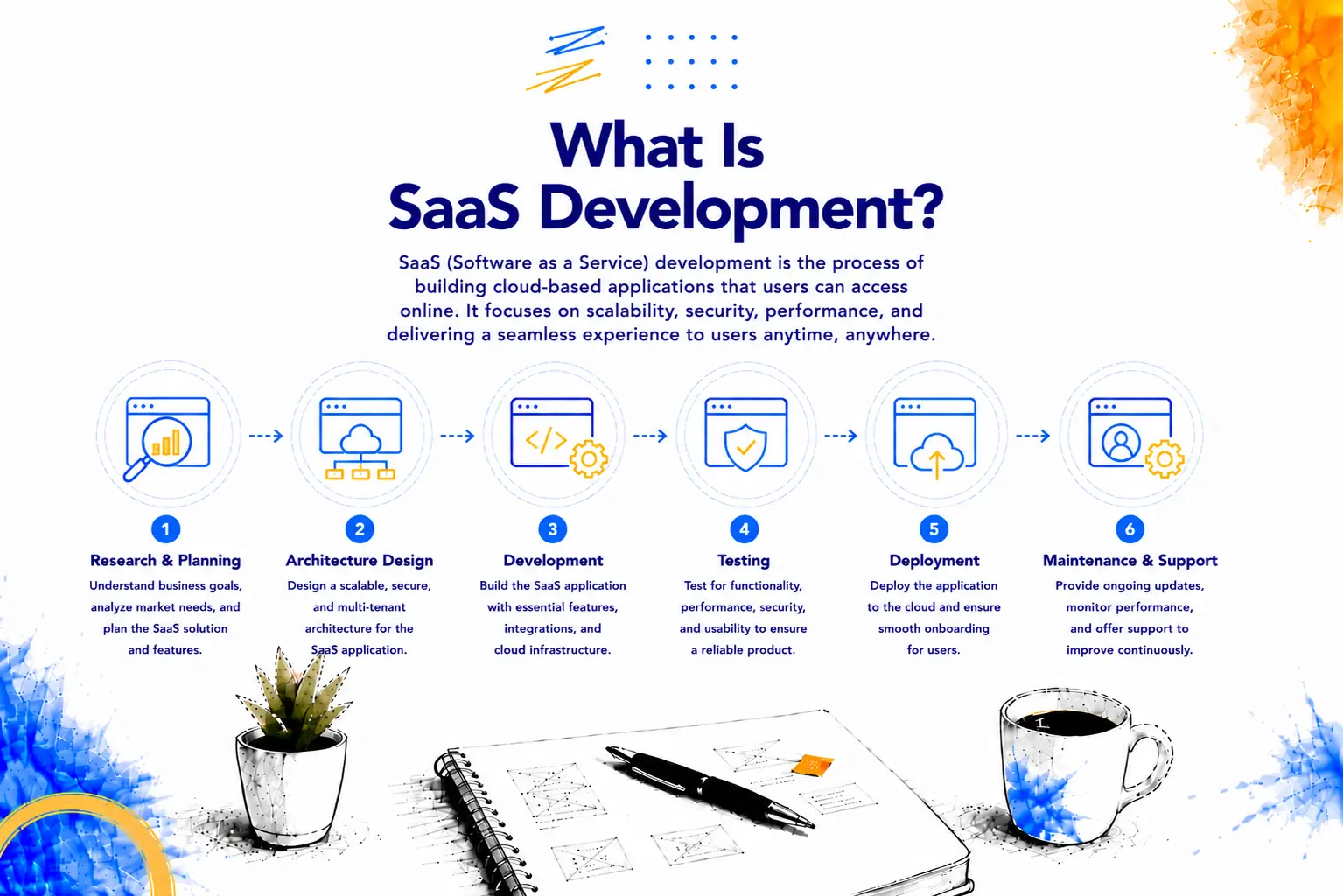
What Is SaaS Development?

SaaS development is the work of designing, building, and operating subscription software that runs in the cloud and serves many customers from shared infrastructure. Where a one-off application serves a single organization, a SaaS product serves many—each tenant kept logically separated, each on their own plan, each onboarded and billed without manual effort.

SaaS development

That shifts the engineering priorities. Multi-tenancy and tenant isolation decide whether one customer's data can ever reach another's. Subscriptions and billing decide whether revenue collects itself or leaks. Scalability and reliability decide whether growth is an opportunity or an outage. And because a single deployment reaches every tenant at once, release discipline and uptime stop being nice-to-haves and become the core of the product.

SaaS development sits inside the broader discipline of custom software development services. The difference is the operating model: you are not delivering a project, you are standing up a product that has to run, scale, bill, and stay secure long after launch day.

What We Build

The building blocks of a subscription product, from multi-tenant foundations to billing, onboarding, and metering.

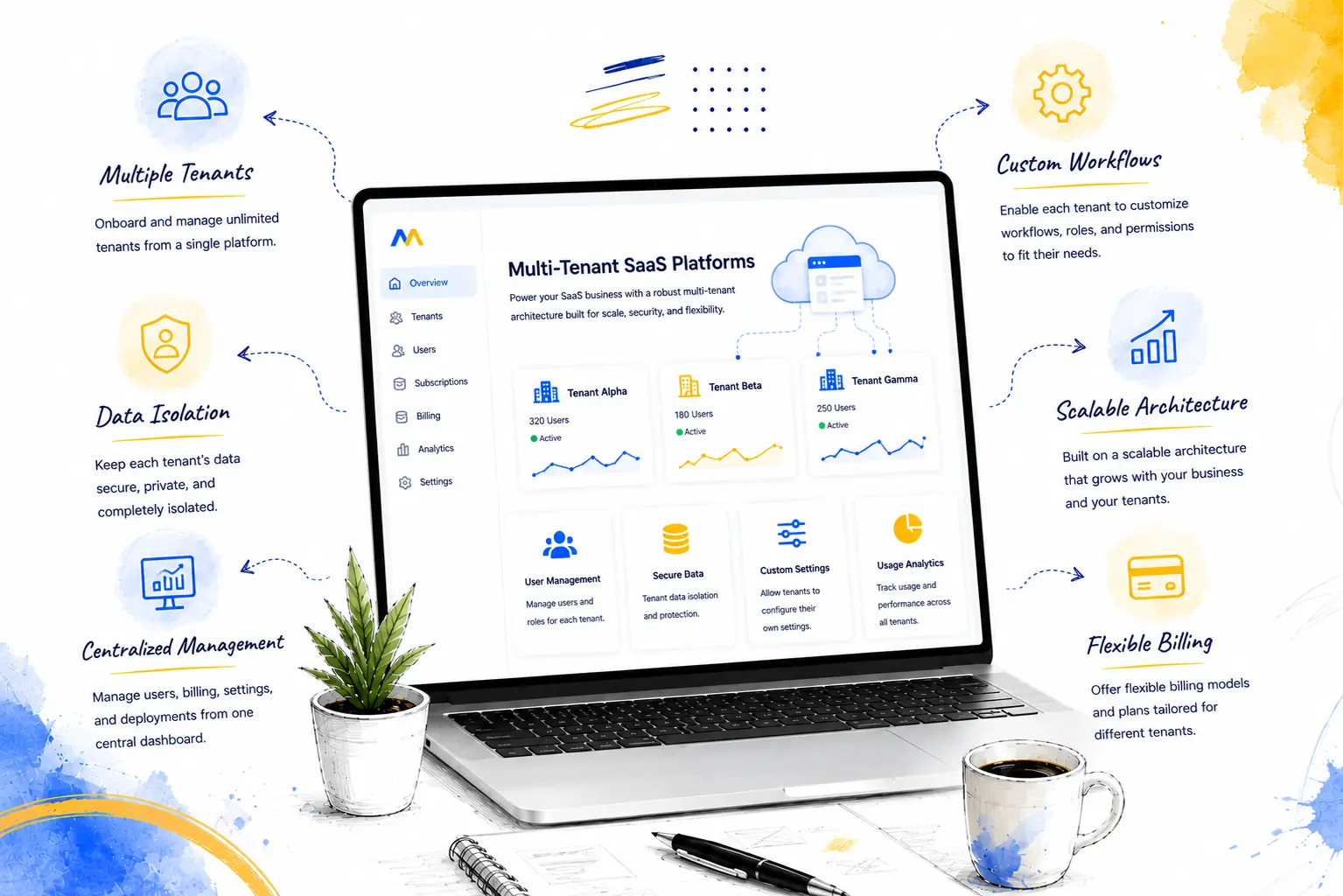
Multi-Tenant SaaS Platforms

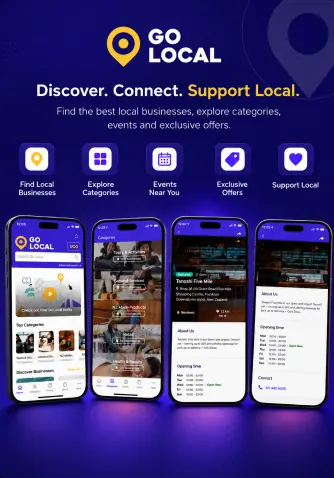
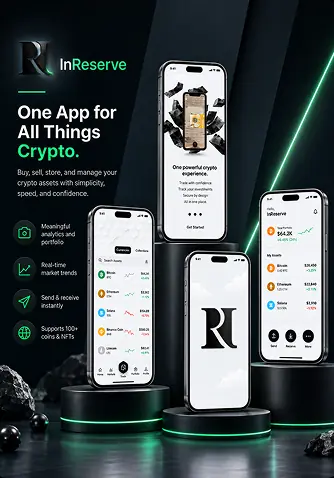
The foundation of any SaaS product: a single codebase serving many customers with strict tenant isolation. We design the tenancy model up front—shared, isolated, or hybrid—so data stays separated, performance stays predictable, and the system grows without a rebuild. GoLocal is a good example of this thinking, built on one API as a single source of truth feeding multiple surfaces.

Multi-Tenant SaaS Platforms

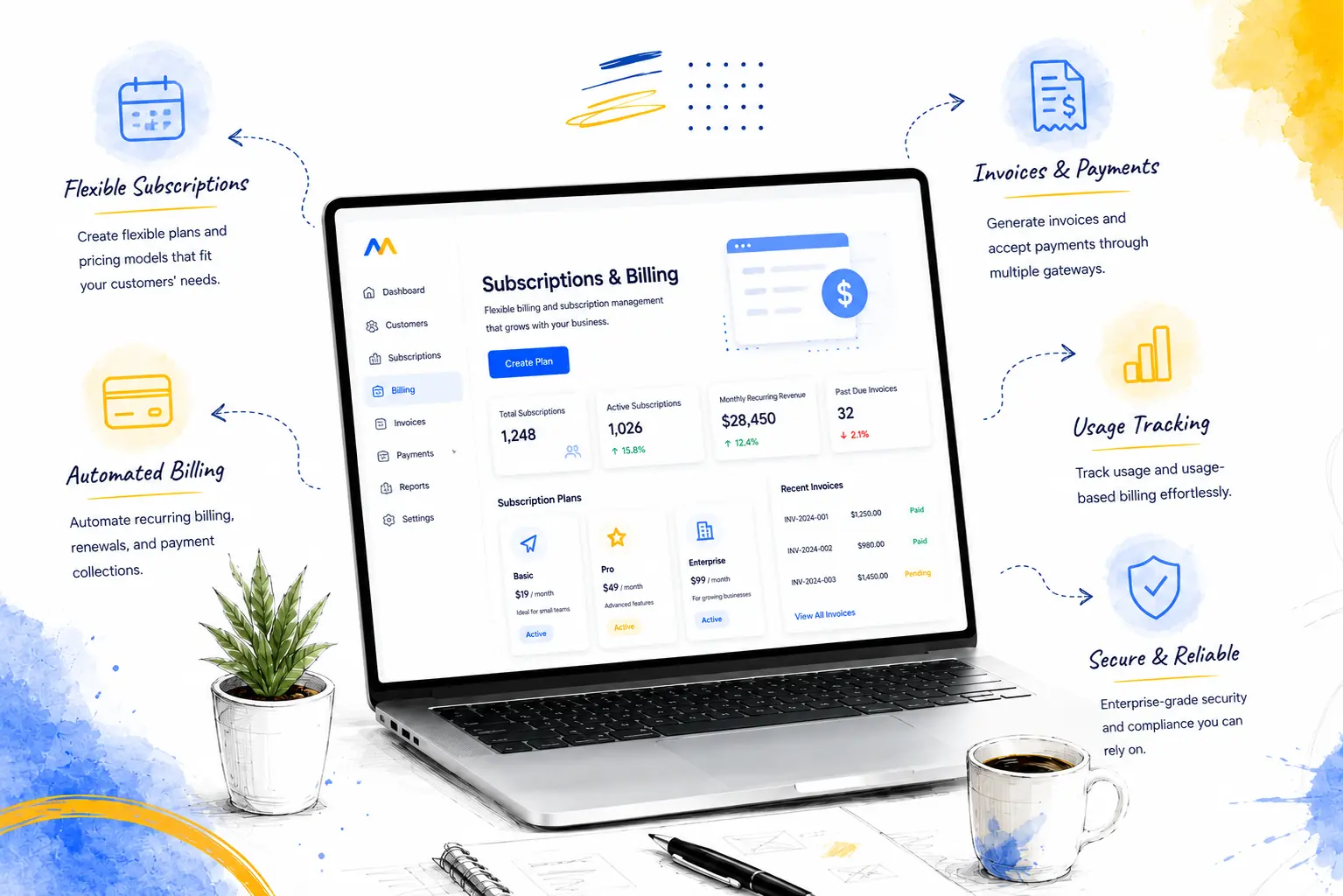
Subscriptions & Billing

Recurring revenue only works when billing is boring and correct. We build subscription plans, tiers, trials, upgrades and downgrades, proration, and invoicing on top of established payment infrastructure—so plan changes, failed payments, and renewals are handled by the system, not by your inbox.

Subscriptions & Billing

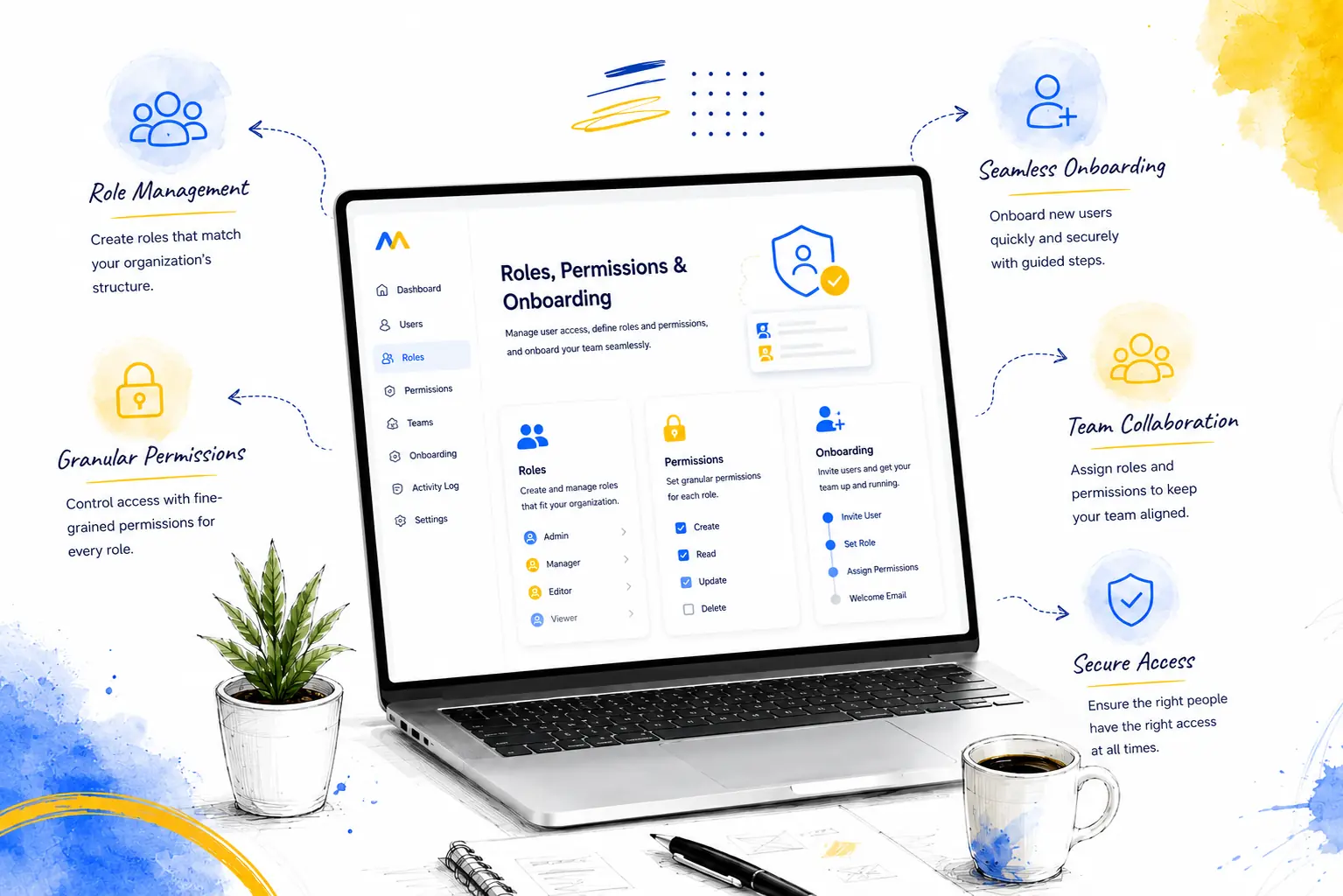
Roles, Permissions & Onboarding

SaaS customers arrive as teams, not individuals. We build role-based access control, organization and workspace management, invitations, and self-serve onboarding so a new tenant can sign up, configure, and reach value without a sales engineer on the call.

Roles, Permissions & Onboarding

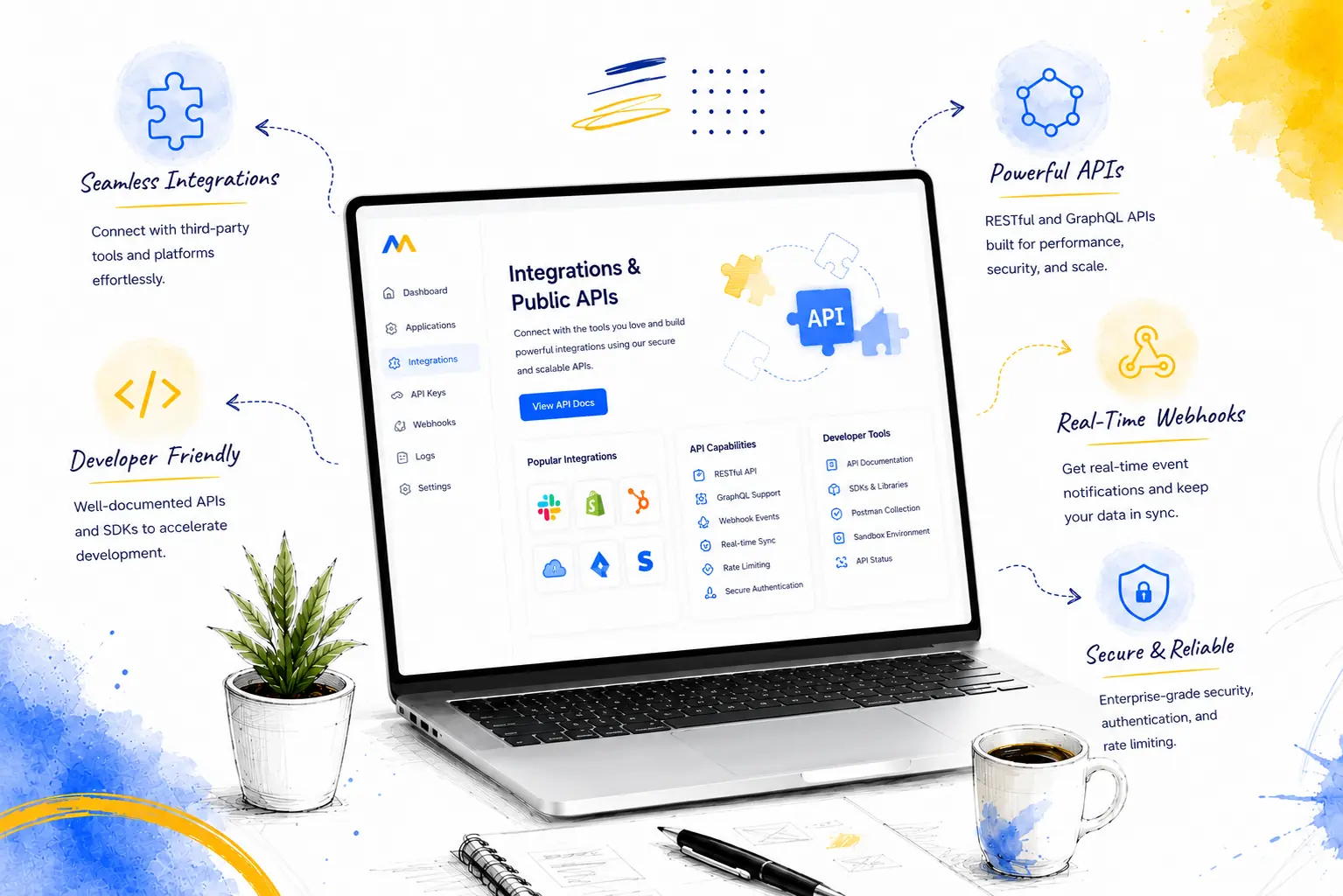
Integrations & Public APIs

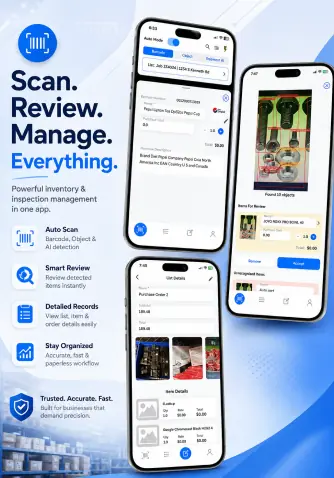
A SaaS product rarely lives alone. We build the integrations your customers expect and, where it makes sense, a public API and webhooks so others can build on you. Scannur is a platform built around exactly this—real-time data and system integrations holding up under operational load.

Integrations & Public APIs

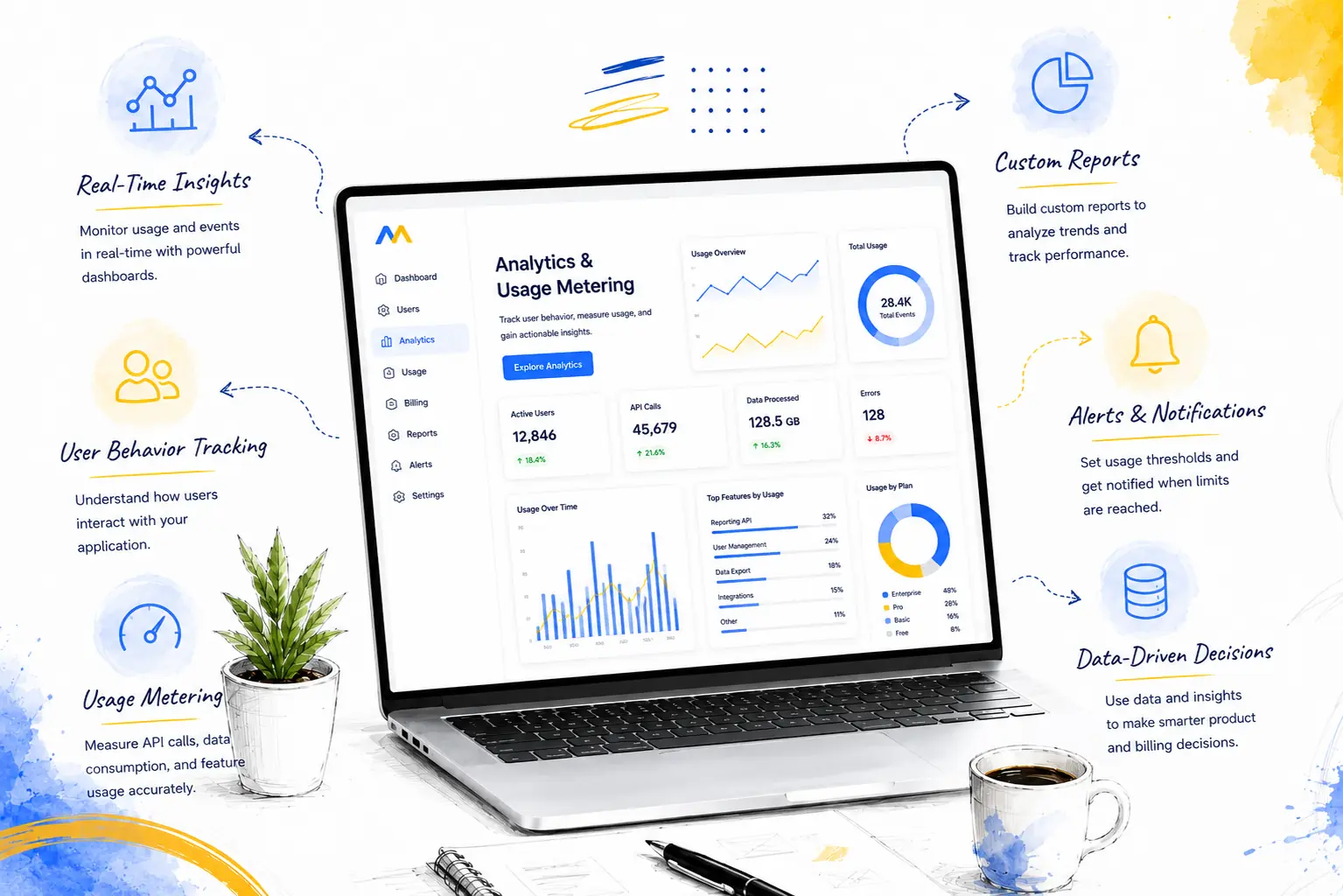
Analytics & Usage Metering

You cannot run a subscription business you cannot measure. We build usage metering, in-product analytics, and admin dashboards so you can see activation, engagement, and consumption—and, where your pricing depends on it, meter usage accurately enough to bill on.

Analytics & Usage Metering

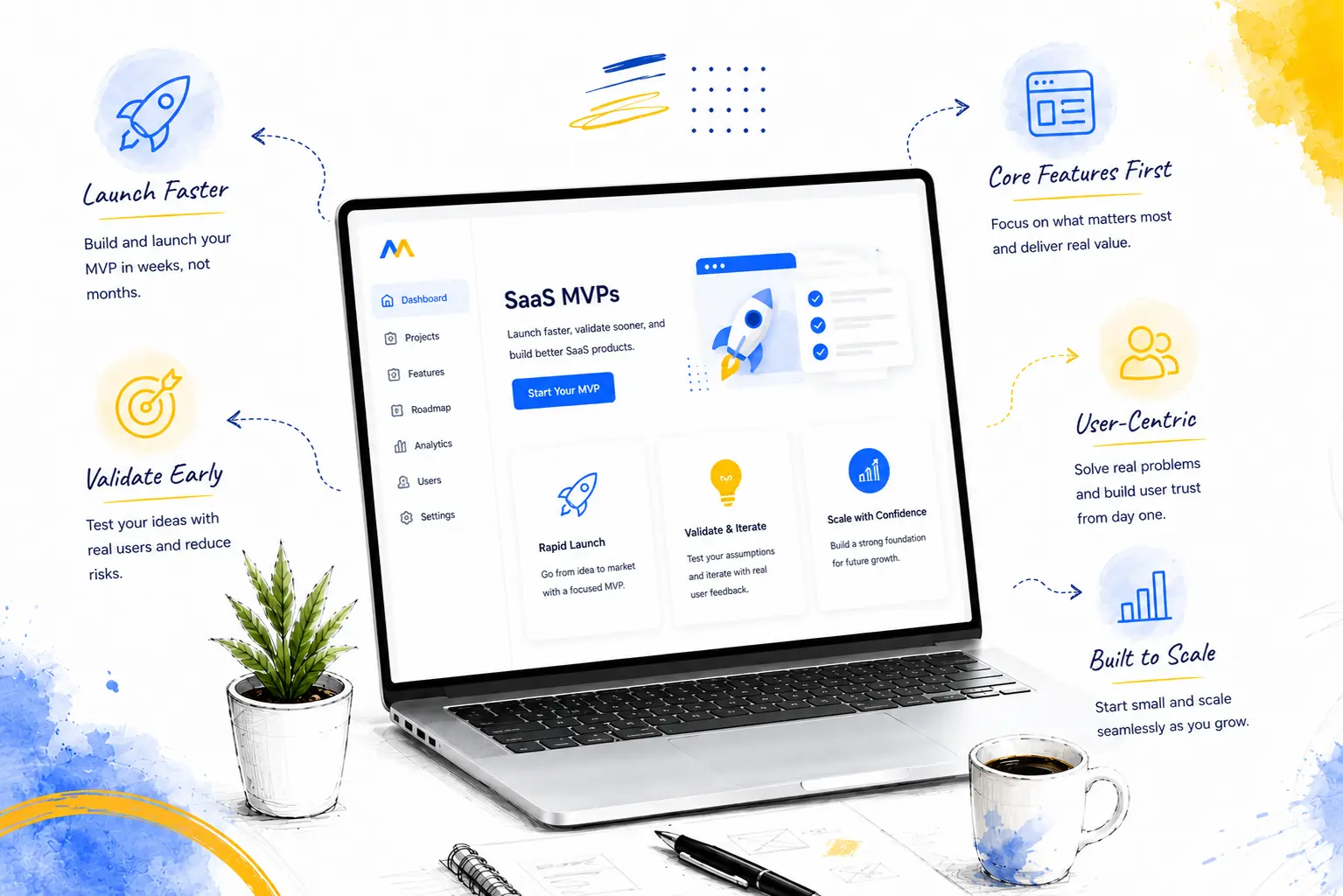
SaaS MVPs

Sometimes the right first move is a focused SaaS MVP: the core tenancy, one paid plan, and the single workflow that proves people will pay. We build that deliberately lean, then scale it into a full platform once the market confirms the direction. More on that path under MVP development.

SaaS MVPs
Multi-Tenant SaaS PlatformsSubscriptions & BillingRoles, Permissions & OnboardingIntegrations & Public APIsAnalytics & Usage MeteringSaaS MVPs

Building a SaaS product?

A senior engineer will help you choose the tenancy model and map subscriptions, roles, and scaling—and tell you honestly whether to start with an MVP first.

Where SaaS Development Fits Best

The situations where a full multi-tenant build is the right call—and when an MVP should come first.

.01

You Are Building a Subscription Software Business

If your plan is to charge customers monthly or annually for software they log into, you are building SaaS—and the architecture should reflect that from day one. Multi-tenancy, billing, and self-serve onboarding belong in the foundation, not bolted on after the first ten customers.

.02

You Have Many Customers on One Product

When the same product needs to serve dozens, hundreds, or thousands of separate organizations from shared infrastructure, you need real tenant isolation and a system that scales horizontally. This is the case where generic app architecture quietly fails and purpose-built SaaS architecture pays off.

.03

You Are Replacing Manual Processes With a Product Others Pay For

If you have proven a workflow internally—or for a few clients by hand—and now want to productize it for a wider market, SaaS development turns that repeatable process into subscription software with onboarding, roles, and billing built in.

.04

Where You Should Start With an MVP First

Honestly: if you have not yet confirmed that people will pay for this, a full multi-tenant SaaS build is premature. Multi-tenancy, billing engines, and admin tooling are real investments. When the priority is validating demand fast, start with an MVP—prove the core, get paying users, then scale into a full platform.

How We Build Production SaaS

Four disciplined steps from tenancy model to a platform that scales and stays reliable after launch.

Step 1.

Architect & Define

We define the tenancy model, plan structure, and core workflows before writing production code. Decisions made here—shared vs isolated data, how billing maps to roles, what scales independently—are the ones that are expensive to change later, so we make them deliberately and with you in the room.

Step 2.

Build

We build the platform in working increments: tenancy and access first, then the core workflow, then subscriptions, onboarding, and metering. You see real software early and often, and feedback shapes each iteration rather than arriving after launch.

Step 3.

Launch

We launch with reliability in mind: monitoring, error tracking, and a tested deployment path so the first real tenants land on a stable system. Because one deploy reaches every customer, we treat release readiness as a feature, not an afterthought.

Step 4.

Scale & Support

After launch, a SaaS product enters its real life. We support scaling under load, harden security, ship new plans and features, and keep the platform reliable as your customer base and usage grow.

Why Choose Mobilions as Your SaaS Development Company

Why software businesses trust us to build SaaS as a product, then stay for the scaling.

01

Product Thinking, Not Just Code

We build SaaS as a business, not a feature list. Architecture, billing, onboarding, and reliability decisions are made with your unit economics and customers in mind—because that is what makes a subscription product work.

02

Proven Across Platforms

Since 2016 we have delivered 250+ projects for 100+ clients across 20+ countries, including platforms built on single sources of truth and systems that hold up under real operational load.

03

Honest About Sequencing

We will tell you when a full SaaS build is the right move and when an MVP should come first. You get advice that protects your budget and your timeline, not advice that maximizes ours.

04

We Stay for the Scaling

SaaS is most fragile right after launch and right as it grows. We support scaling, security, and new features so the platform stays reliable as usage and the customer base climb.

What Clients Say

Mobilions' clients describe fast delivery, clear communication, and senior, trustworthy engineering—in their own words.

5.0RATING

Great experience working with this team. They completed the development work quickly and efficiently without wasting time. Communication was clear and consistent, they understood the requirements well, gave smart suggestions, and delivered exactly as discussed. I'd highly recommend them to anyone looking for a reliable, fast, and skilled app development team.

5.0RATING

We worked with Ankit, Mayur, and Tushar to build the first version of Baba Hebrew for iOS and Android, and they delivered super fast. The team was responsive, reliable, and efficient, taking the idea from zero to a working app in record time. I'd recommend them to anyone who wants to get an MVP live quickly.

5.0RATING

Tushar and Ankit did an outstanding job developing our native iOS (Swift) and Android (Kotlin) apps. They were efficient, responsive, and technically strong throughout. Thanks to their work, we launched successfully and gained over 1,000 users in the first 30 days. Highly recommend this team for quality mobile app development.

5.0RATING

It was a wonderful experience working with Tushar, Ankit, and their team. They built a great mobile app for me and truly brought my vision to life. What stood out was not just their technical skill but their attitude: always positive, solution-oriented, and incredibly patient. They went above and beyond at every step, finding creative workarounds and staying committed even when things got challenging. Extremely professional and trustworthy. I would absolutely hire them again.

5.0RATING

Great experience working with this team. They completed the development work quickly and efficiently without wasting time. Communication was clear and consistent, they understood the requirements well, gave smart suggestions, and delivered exactly as discussed. I'd highly recommend them to anyone looking for a reliable, fast, and skilled app development team.

5.0RATING

We worked with Ankit, Mayur, and Tushar to build the first version of Baba Hebrew for iOS and Android, and they delivered super fast. The team was responsive, reliable, and efficient, taking the idea from zero to a working app in record time. I'd recommend them to anyone who wants to get an MVP live quickly.

5.0RATING

Tushar and Ankit did an outstanding job developing our native iOS (Swift) and Android (Kotlin) apps. They were efficient, responsive, and technically strong throughout. Thanks to their work, we launched successfully and gained over 1,000 users in the first 30 days. Highly recommend this team for quality mobile app development.

5.0RATING

It was a wonderful experience working with Tushar, Ankit, and their team. They built a great mobile app for me and truly brought my vision to life. What stood out was not just their technical skill but their attitude: always positive, solution-oriented, and incredibly patient. They went above and beyond at every step, finding creative workarounds and staying committed even when things got challenging. Extremely professional and trustworthy. I would absolutely hire them again.

Frequently Asked Questions

Direct answers to the questions teams ask most before building a SaaS product.

SaaS development is the design, build, and operation of cloud-hosted subscription software that serves many customers from shared infrastructure. It covers multi-tenancy, billing, roles, onboarding, scalability, and the reliability a software business depends on—not just building an app once, but standing up a product you run continuously.

Multi-tenancy means one codebase and shared infrastructure serve many customers (tenants), each kept logically isolated so their data never crosses. You need it if you are serving many separate organizations from one product—which is true of most SaaS. We choose the tenancy model (shared, isolated, or hybrid) based on your data, security, and scale needs, and design isolation in from the start.

If you have not yet confirmed people will pay, start with an MVP—the core tenancy, one paid plan, and the single workflow that proves demand. If demand is already proven and you are serving real customers at scale, a full SaaS build is the right move. We will tell you honestly which stage you are at; MVP development is the leaner first step.

We build subscription plans, tiers, trials, upgrades, downgrades, proration, and invoicing on top of established payment infrastructure. The goal is billing that runs itself—renewals, failed payments, and plan changes handled by the system—so revenue collects reliably and does not leak through manual gaps.

Cost depends on scope: tenancy model, number of plans, billing complexity, integrations, and how much admin and analytics tooling you need. A focused SaaS MVP costs far less than a full multi-tenant platform. The most reliable way to get a real number is a short call where we scope your specific product.

Timeline tracks scope. A focused MVP reaches paying users faster than a full platform with multiple plans, deep integrations, and heavy admin tooling. We work in increments so you see working software early, and we set a realistic schedule once your scope is defined rather than promising a number before we understand it.

We design for horizontal scaling from the architecture up and launch with monitoring, error tracking, and tested deployment pipelines. Because a single deploy reaches every tenant, we treat release readiness and uptime as core product requirements—a SaaS business is churn-sensitive, and reliability is what protects retention.

Tenant isolation, role-based access control, and secure data handling are built in rather than added later. We design the security posture around your customers' expectations and your industry's requirements, and harden it as the platform scales. Specific compliance needs are scoped per project based on the data you handle and the markets you serve.

Yes. We build the integrations your customers expect and, where it fits your model, a public API and webhooks so others can build on your platform. Scannur is an example built around real-time data and system integrations under operational load.

You own your product and its codebase. After launch we stay for the part that matters most for SaaS—scaling under load, security hardening, new plans and features, and keeping the platform reliable as your customer base grows. Support arrangements are scoped to fit how you operate.

Let's build your next big thing

Let's build your next big thing. Share your idea and get a free consultation—we respond within one business day.

0+
Products shipped
0+
Clients served
0+
Countries reached
Call Us (USA)
+1-856-524-5593

Get a Free Quote

A senior engineer replies within one business day · NDA on request · no obligation · you own the code and IP.