





























Great experience working with this team. They completed the development work quickly and efficiently without wasting time. Communication was clear and consistent, they understood the requirements well, gave smart suggestions, and delivered exactly as discussed. I'd highly recommend them to anyone looking for a reliable, fast, and skilled app development team.

React Native App Development Services for iOS and Android
Mobilions is a React Native app development company whose services turn one JavaScript and TypeScript codebase into a real native app on both iOS and Android, where senior engineers build, launch, and support it to both stores—and you own the source code, the architecture, the build configuration, and the data throughout.
Part of our mobile app development services →What Is React Native App Development?
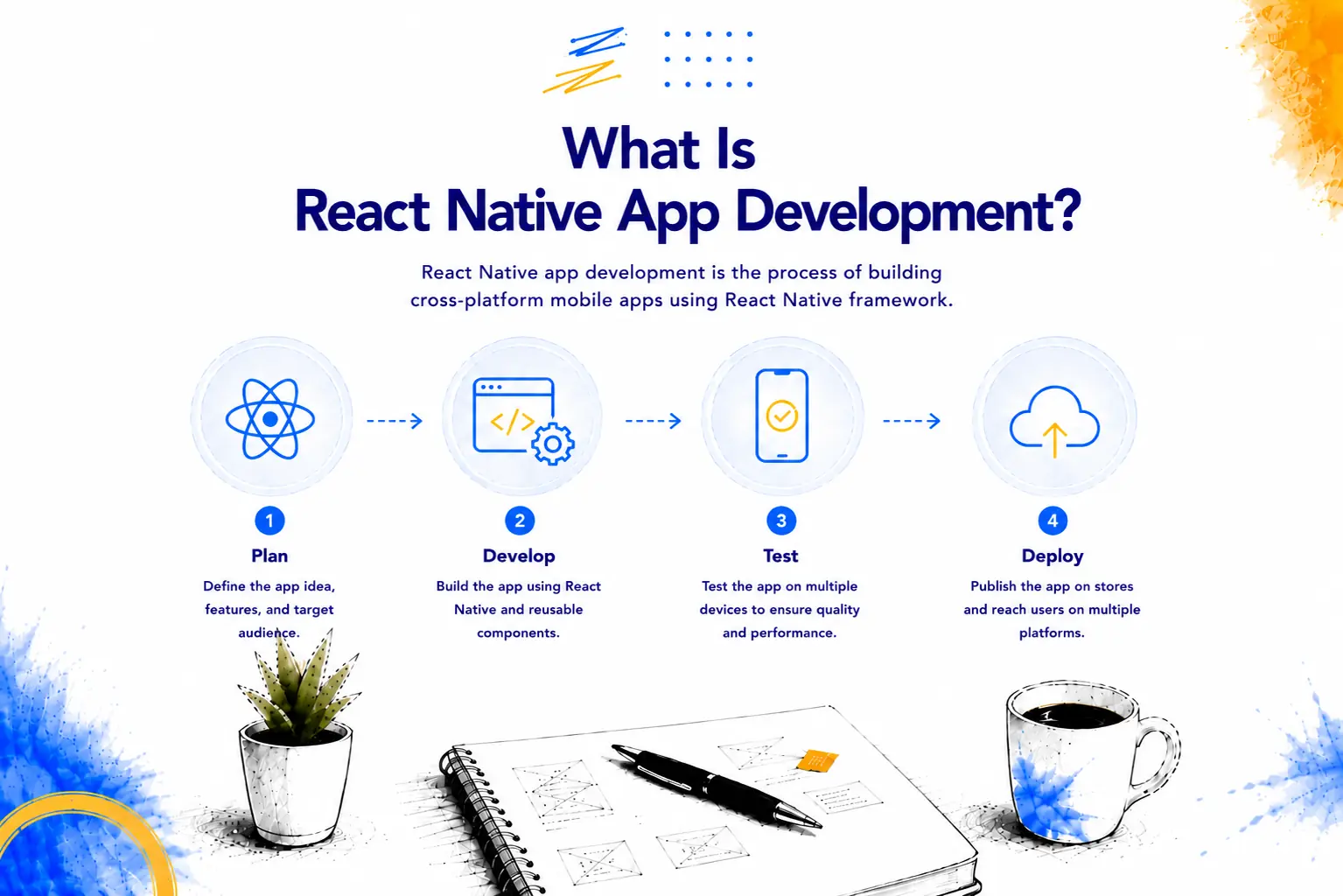
React Native app development is the practice of building mobile apps for iOS and Android from a single codebase written in JavaScript and TypeScript, using a framework that renders real native UI components rather than web pages in a wrapper. Instead of writing a separate Swift app for iOS and a separate Kotlin app for Android, a team writes the screens, logic, and state once, and React Native maps them to the platform's own native controls. When a feature needs something the framework does not expose—a specific sensor, SDK, or performance-critical routine—the app bridges into a native module written in the platform's own language. The result is one team, one codebase, and two genuinely native apps, with the option to share business logic with a React web app.

At Mobilions, React Native app development is done by senior engineers who treat the architecture and the hard edges as the real product, not the happy-path demo. The framework makes the first screen easy; the engineering that decides whether a cross-platform app works is everything after—keeping long lists smooth on a mid-range Android phone, handling offline and flaky networks, structuring navigation and state so the app stays maintainable as it grows, and bridging cleanly into native code when a feature earns it. React Native fits best when your product is mostly shared logic and UI across both platforms and time-to-market matters; it fits less well when the app lives or dies on bleeding-edge platform features or sustained heavy graphics. We build for the first case and tell you honestly when you are in the second.
What We Build
Mobilions delivers six React Native app development capabilities, each available on its own or as part of a larger build. Explore each below.
Cross-Platform Apps (iOS + Android)
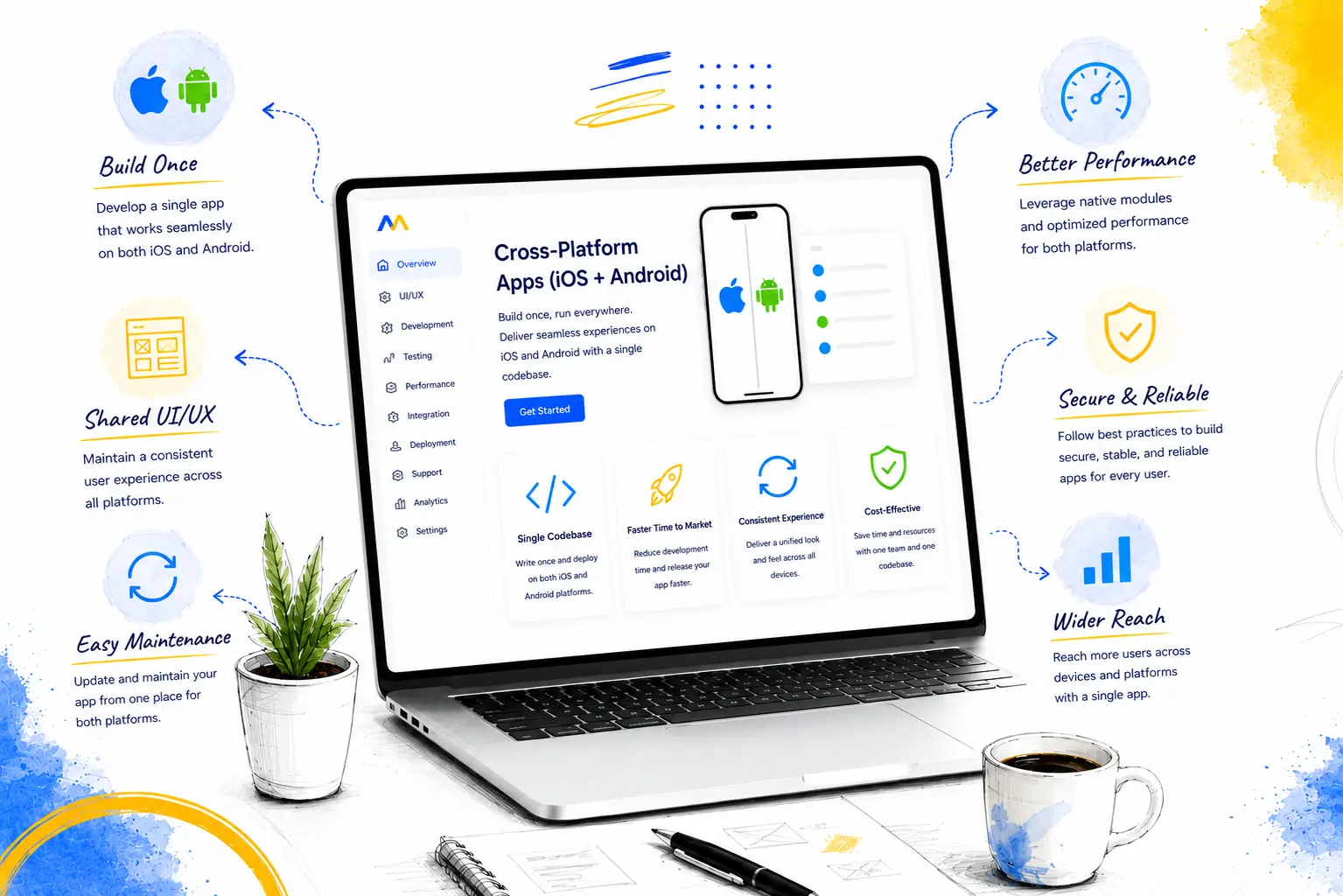
We build cross-platform app development end to end—one React Native codebase that ships as a real native app on both iOS and Android. We architect shared screens, navigation, and state once, then handle the platform-specific details each store and device expects, so you get two native apps and one codebase to maintain instead of two separate teams.

React Native MVPs
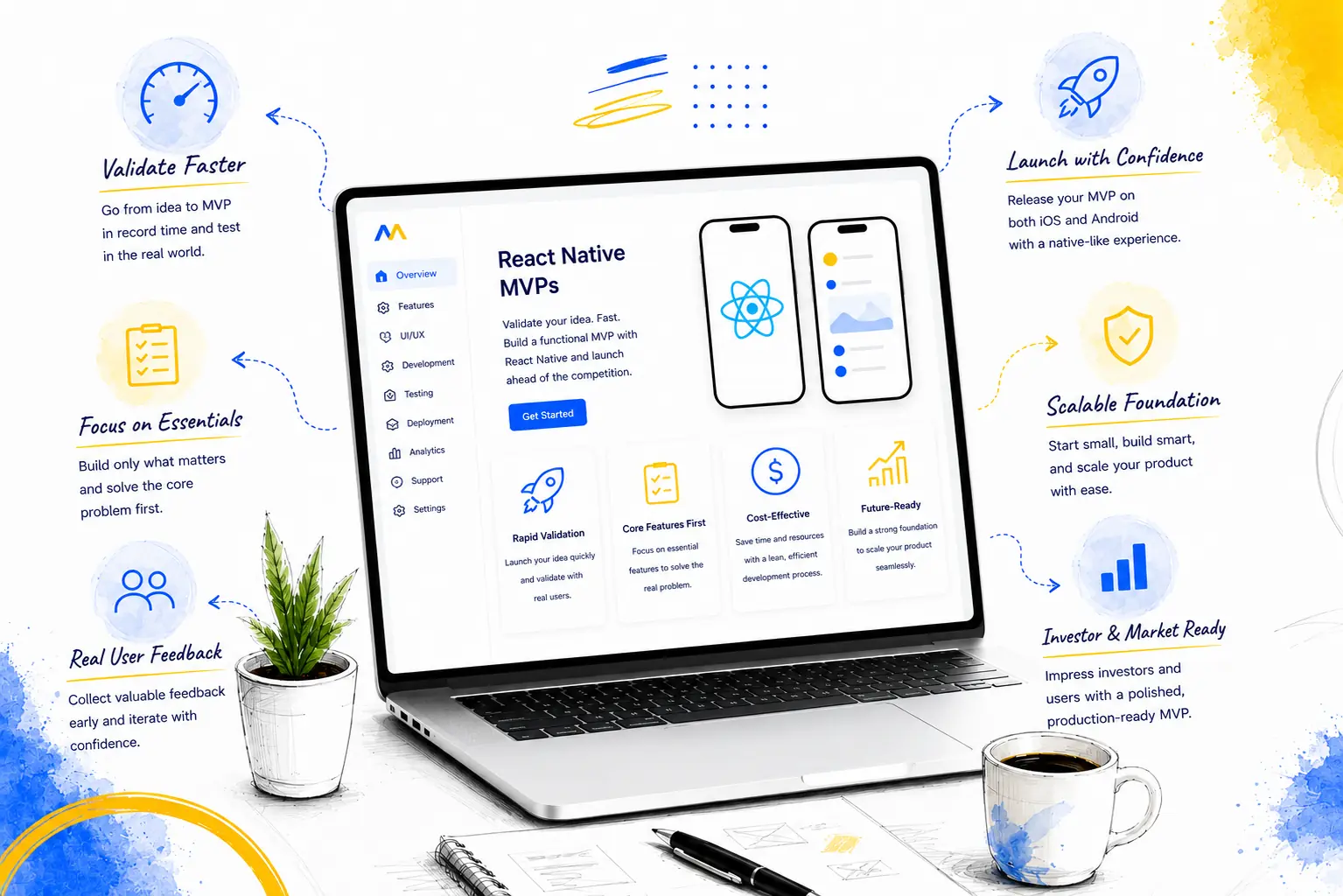
We build React Native MVPs for founders who need a real, store-ready app on both platforms fast, without burning the budget on two native codebases. We focus the build on the core flows that prove the product, architect it so it can grow rather than be thrown away, and get it cleanly into both stores—so you reach real users quickly.

Apps Sharing Logic with Web
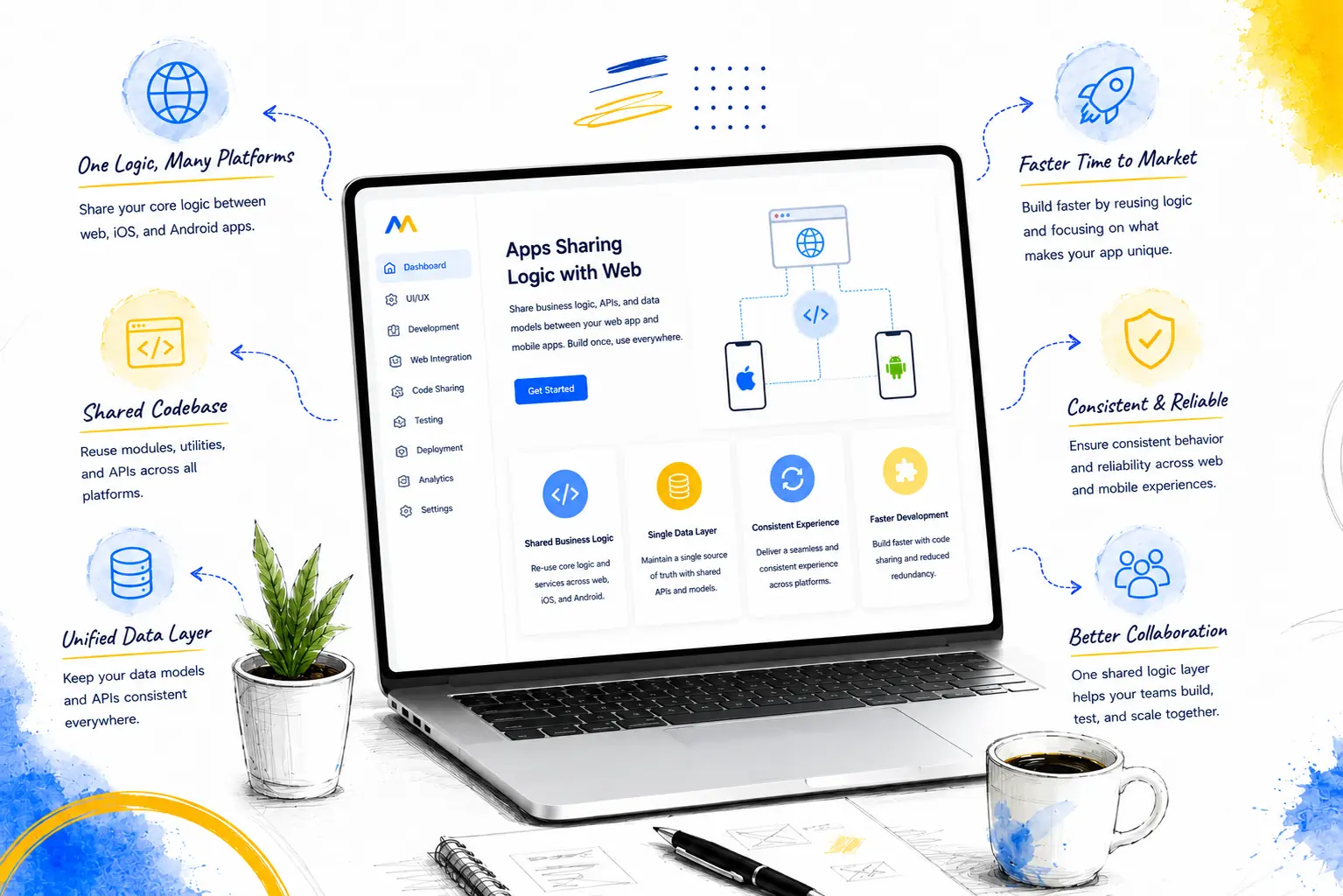
We build React Native apps that share business logic with a React web app—validation, models, API clients, and domain rules written once and reused across mobile and web. For teams already invested in JavaScript and TypeScript, this turns one engineering investment into coverage across phone and browser, with less duplicated logic to keep in sync.

Consumer Apps
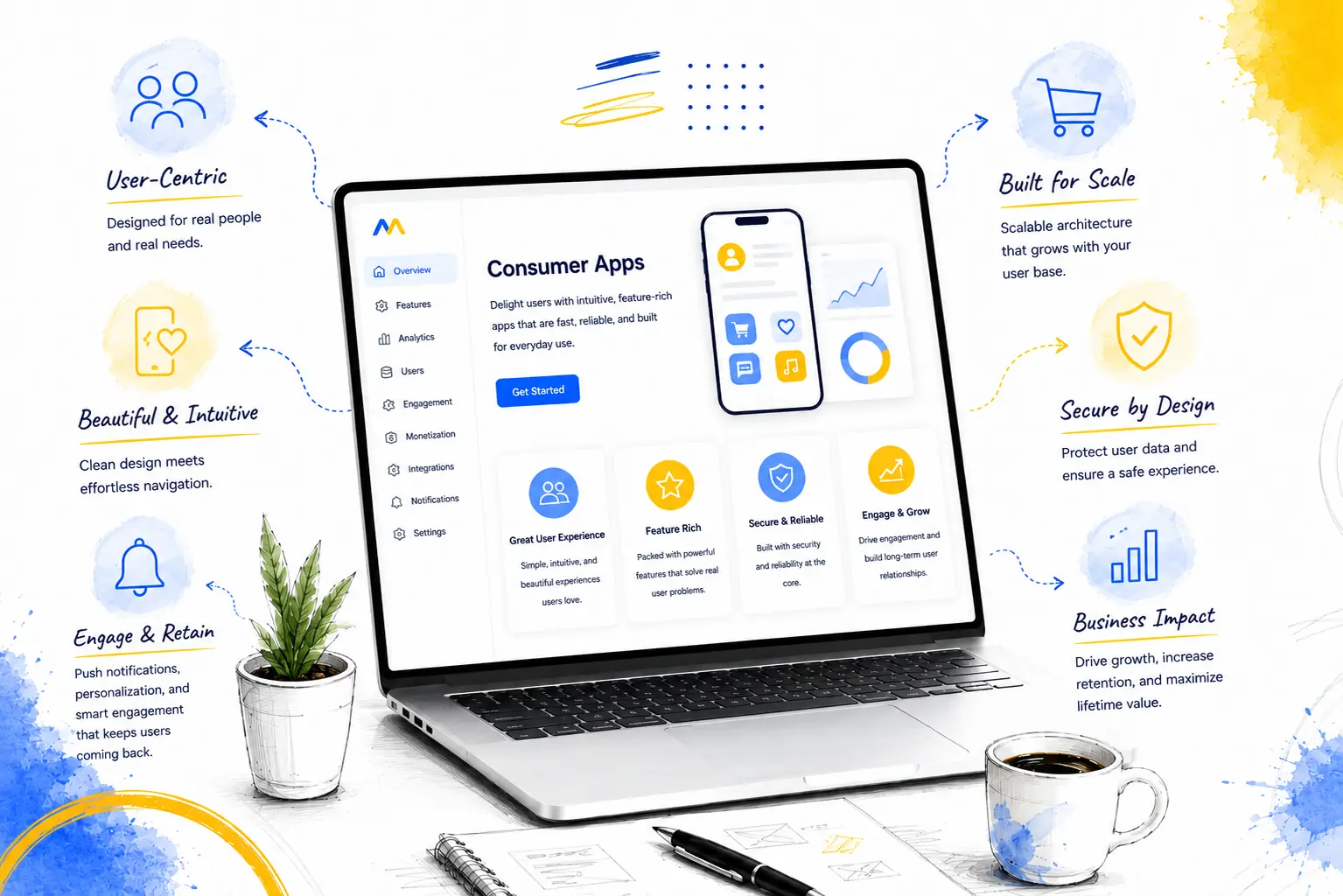
We build consumer-facing React Native apps where speed, polish, and smooth interaction decide whether users stay—marketplaces, social, content, and lifestyle products. We engineer for list performance, fast startup, and native-feeling navigation on real devices, because a consumer app that stutters loses users no matter how good the idea is.

Business Apps
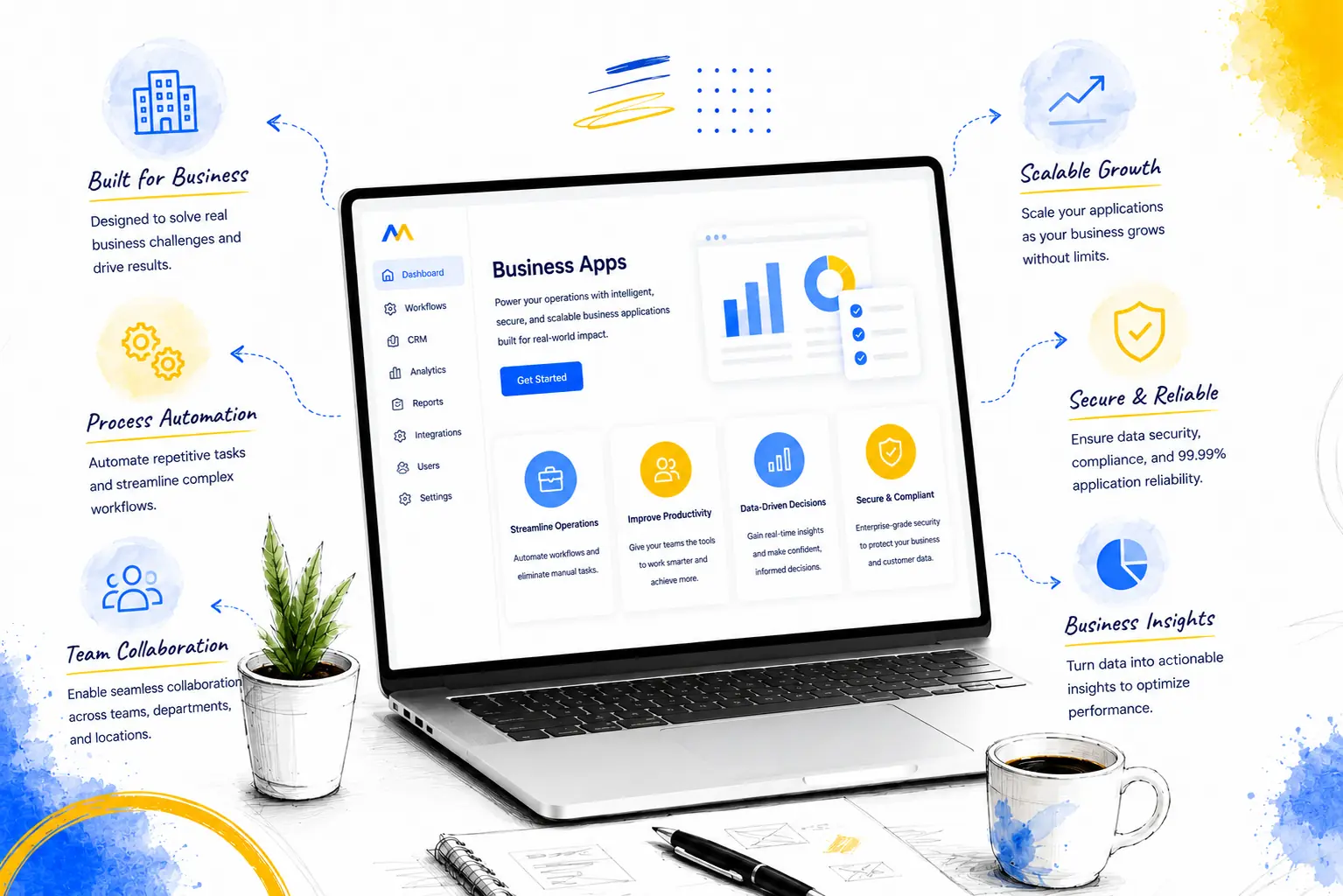
We build internal and customer-facing business apps in React Native—field tools, dashboards, ordering, scheduling, and workflow apps that must run reliably on both platforms across an organization. We integrate with your back end and systems, handle auth and offline behavior, and build for the real conditions your staff and customers work in rather than a clean demo.

Migration / Native Modules
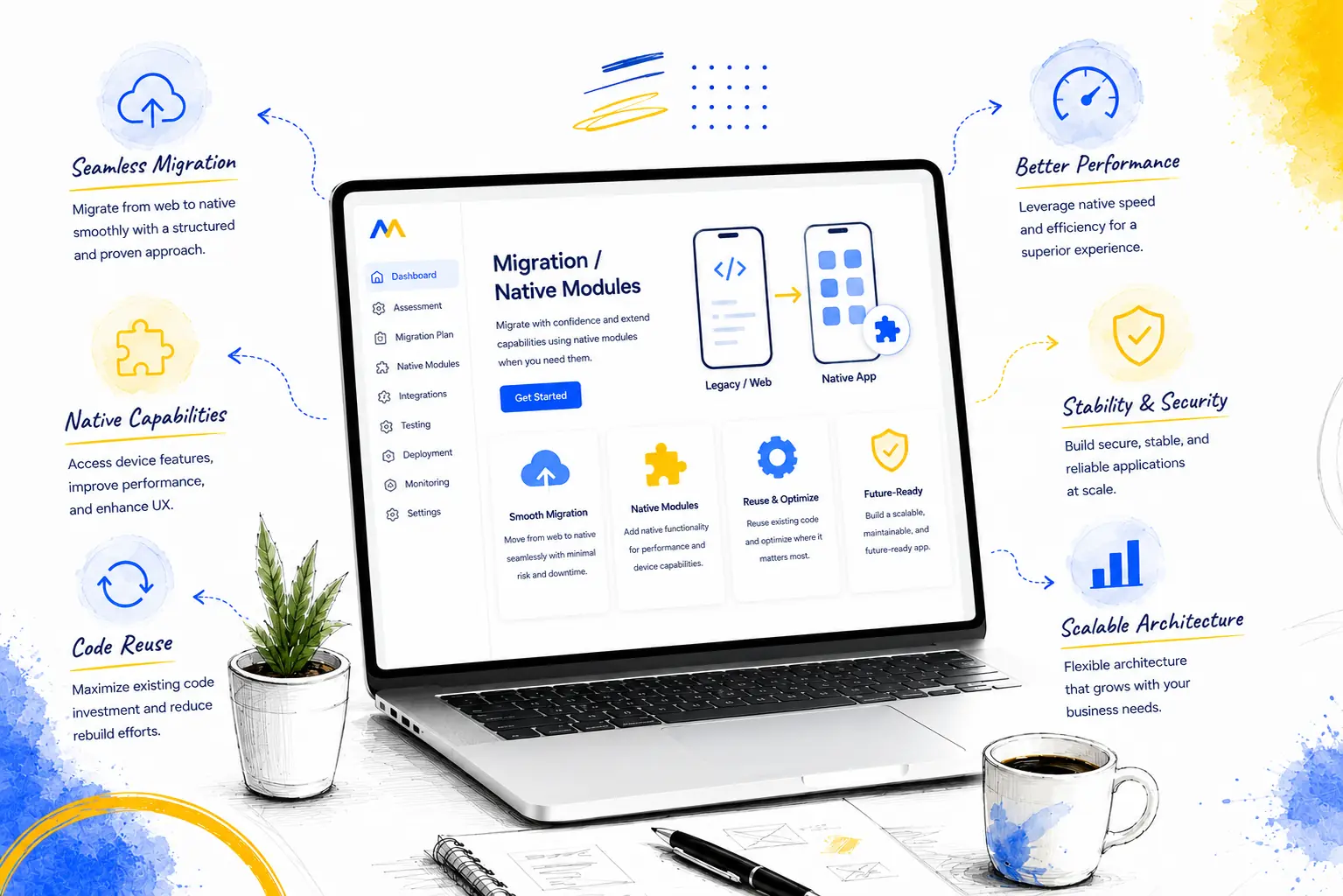
We migrate existing apps to React Native or extend a React Native app with native modules where a feature demands it—bridging into Swift or Kotlin for a specific SDK, sensor, or performance-critical routine. We assess honestly whether a migration pays off, then execute it incrementally so the app keeps working while it moves.


Have a cross-platform app in mind?
A senior engineer will tell you whether React Native, Flutter, or native fits your team and product—and what it takes to ship one codebase to both stores.
Where React Native Fits Best
React Native pays off wherever one codebase across iOS and Android serves the product and time-to-market matters—and we will tell you where it does not.
Cross-Platform Products on One Budget
When you need the same app on both iOS and Android and most of the screens and logic are shared, React Native lets one team ship both from a single codebase. You avoid funding two native builds and two separate teams, and every fix and feature lands on both platforms at once—which is exactly where cross-platform app development earns its place.
MVPs and Time-to-Market
When the priority is getting a real, store-ready app in front of users quickly, React Native gets you to both stores from one codebase faster than building each platform natively from scratch. For founders validating a product, that speed—without sacrificing a genuinely native app—is often the difference between learning early and running out of runway.
JavaScript and TypeScript Teams
When your team already lives in JavaScript and TypeScript, React Native lets them build mobile without learning two new native languages, and lets you share logic with a React web app. For organizations already invested in the JavaScript ecosystem, that shared skill set and shared code turn one investment into coverage across web and mobile.
Where Native or Flutter Beats React Native
React Native is the wrong choice when the app depends on bleeding-edge, platform-specific features the moment they ship, demands sustained heavy graphics or intensive real-time processing, or is realistically only ever going to exist on one platform—cases where fully native iOS or Android is the better engineering call. Flutter can be the stronger fit when you want a highly custom, pixel-identical UI rendered the same on every device. We will tell you honestly when native or Flutter app development serves your product better, because shipping the wrong framework well still wastes your budget.
How We Build Production React Native Apps
Mobilions builds React Native apps in four disciplined stages, so the app is fast, maintainable, and reliable in both stores.
Design & Architect
We map the screens, the navigation, the state, and the data the app needs—including the offline paths, the edge cases, and the native features that will need a bridge. We define the architecture up front so the codebase stays maintainable as it grows, because a React Native app is only as good as the structure underneath the first screen.
Build in React Native
We build the app in React Native with TypeScript—shared screens, components, state, and navigation written once for both platforms—and bridge into native modules in Swift or Kotlin wherever a feature demands it. We engineer for list performance, fast startup, and native-feeling interaction on real devices, because a cross-platform app only wins if it feels native on both.
Launch Both Stores
We handle the build pipeline, signing, and submission for both the Apple App Store and Google Play—icons, metadata, store requirements, and the review process for each platform. We get your app cleanly into both stores from one codebase, so launch is an engineered step rather than a scramble at the end.
Support & Update
We keep the app current as the platforms, the operating systems, and your product evolve—updating dependencies, shipping features to both stores at once, and fixing what real usage surfaces. Mobile apps need ongoing care to stay healthy on both platforms, so we plan for it. Support terms are agreed explicitly in the engagement.
Industries We Serve
We build React Native app development services across regulated and high-volume sectors, tuned to each one's performance, security, and compliance reality.
Fintech
Cross-platform finance apps where security and correctness are treated as the product, not an afterthought.
Healthcare
Patient and clinician apps built safety-first, with compliance designed in from the start.
SaaS
Mobile companions and full products built to scale cleanly across many users on both platforms.
Ecommerce
Shopping, ordering, and marketplace apps that stay fast and smooth under peak load.
Logistics
Field, driver, and warehouse apps built for offline conditions and real-world use.
Featured Case Studies
Mobilions proves its work through real, shipped products—not invented metrics. These are approved case studies with no fabricated results, revenue, or timelines.

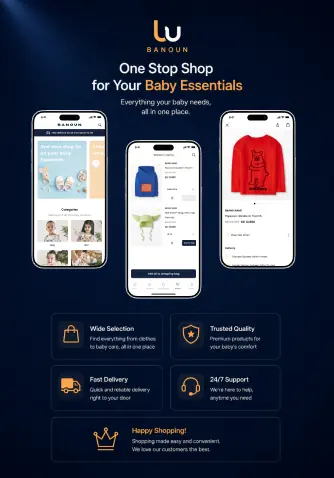
Banoun
A native shopping app for a children's fashion retailer.

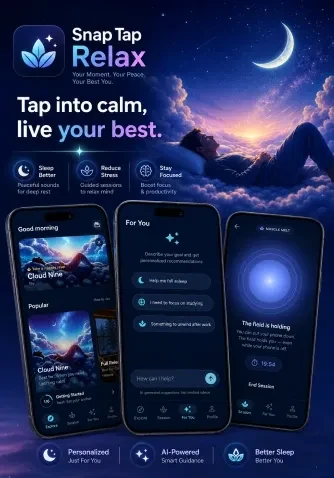
Snap Tap Relax
A wellness app that runs calm, focus, and sleep sessions in the background.

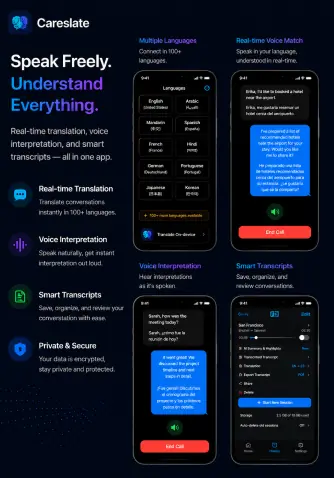
Careslate
A privacy-first medical translation app for real-time, two-way clinical conversations.

Baba
An AI translation app that handles Hebrew gender, slang, and context most translators miss.
Why Choose Mobilions as Your React Native App Development Company
Clients choose Mobilions as their React Native app development company because the same senior engineering team that scopes the app also builds, launches, and supports it—with the hard parts engineered, not hoped.
Architecture Is the Product
We treat the structure under the first screen—state, navigation, performance, and clean native bridges—as the real engineering, because that is what separates a React Native demo from an app that stays fast and maintainable as it grows.
Genuinely Native on Both Platforms
We engineer for native-feeling performance and interaction on real iOS and Android devices, not just a working build, because a cross-platform app only wins if users on both platforms cannot tell it was shared.
One Team: Build → Launch → Support
The same team carries your app across the whole journey—scope, build, both store launches, and ongoing updates—so there is no handoff and no loss of context as your product and the platforms change.
You Own Everything
You keep the source code, the architecture, the build configuration, and the data. We build for your team to operate and extend, with no lock-in.
What Clients Say
Mobilions' clients describe fast delivery, clear communication, and senior, trustworthy engineering—in their own words.
We worked with Ankit, Mayur, and Tushar to build the first version of Baba Hebrew for iOS and Android, and they delivered super fast. The team was responsive, reliable, and efficient, taking the idea from zero to a working app in record time. I'd recommend them to anyone who wants to get an MVP live quickly.
Tushar and Ankit did an outstanding job developing our native iOS (Swift) and Android (Kotlin) apps. They were efficient, responsive, and technically strong throughout. Thanks to their work, we launched successfully and gained over 1,000 users in the first 30 days. Highly recommend this team for quality mobile app development.
It was a wonderful experience working with Tushar, Ankit, and their team. They built a great mobile app for me and truly brought my vision to life. What stood out was not just their technical skill but their attitude: always positive, solution-oriented, and incredibly patient. They went above and beyond at every step, finding creative workarounds and staying committed even when things got challenging. Extremely professional and trustworthy. I would absolutely hire them again.
Great experience working with this team. They completed the development work quickly and efficiently without wasting time. Communication was clear and consistent, they understood the requirements well, gave smart suggestions, and delivered exactly as discussed. I'd highly recommend them to anyone looking for a reliable, fast, and skilled app development team.

We worked with Ankit, Mayur, and Tushar to build the first version of Baba Hebrew for iOS and Android, and they delivered super fast. The team was responsive, reliable, and efficient, taking the idea from zero to a working app in record time. I'd recommend them to anyone who wants to get an MVP live quickly.
Tushar and Ankit did an outstanding job developing our native iOS (Swift) and Android (Kotlin) apps. They were efficient, responsive, and technically strong throughout. Thanks to their work, we launched successfully and gained over 1,000 users in the first 30 days. Highly recommend this team for quality mobile app development.
It was a wonderful experience working with Tushar, Ankit, and their team. They built a great mobile app for me and truly brought my vision to life. What stood out was not just their technical skill but their attitude: always positive, solution-oriented, and incredibly patient. They went above and beyond at every step, finding creative workarounds and staying committed even when things got challenging. Extremely professional and trustworthy. I would absolutely hire them again.
Frequently Asked Questions
The most common questions buyers ask about React Native app development—answered directly.
React Native is an open-source framework for building mobile apps in JavaScript and TypeScript that run as real native apps on both iOS and Android from one codebase. Instead of writing a separate Swift app and a separate Kotlin app, your team writes the screens and logic once, and React Native renders them using the platform's own native UI components—not a website in a wrapper. When a feature needs platform-specific capability, the app bridges into native code, giving two genuinely native apps from a single shared codebase.
Both build iOS and Android from one codebase, but differently. React Native uses JavaScript and TypeScript and renders the platform's own native UI components, which fits teams already in the JavaScript ecosystem and lets you share logic with a React web app. Flutter uses the Dart language and draws its own pixels, giving a highly custom, pixel-identical UI on every device. React Native is often the stronger fit when you want native platform feel and JavaScript skill reuse; Flutter can win when you want a fully custom, identical UI everywhere. We help you choose based on your team and product, not a preference.
Fully native means two separate apps—Swift for iOS, Kotlin for Android—each with its own codebase and often its own team. React Native builds both from one shared codebase in JavaScript and TypeScript, rendering real native UI and bridging into native code when needed. The trade-off is reach versus specialization: React Native gets you both platforms faster and cheaper from one team, while fully native gives the deepest access to bleeding-edge platform features and the highest ceiling for heavy graphics. For most cross-platform products React Native is the better call; we tell you honestly when yours is the exception.
Yes—a well-built React Native app renders real native UI components and feels native to users, who generally cannot tell it was built cross-platform. Performance comes down to engineering, not the framework alone: smooth long lists, fast startup, and responsive interaction on a mid-range Android phone are the result of good architecture and tuning. We engineer for performance on real devices and bridge into native code for anything performance-critical, so the app holds up where it matters, not only on a flagship phone in a demo.
Yes—if your web app is built in React, you can share business logic across mobile and web: validation, data models, API clients, and domain rules written once and reused. The UI layers differ between React Native and React for web, but the logic underneath is shared, which means less duplicated code to keep in sync and fewer places for bugs to hide. For teams already invested in JavaScript and TypeScript, this turns one engineering investment into coverage across phone and browser.
Yes. React Native exposes most common device features—camera, GPS, push notifications, biometrics, storage, and more—through its APIs and a large ecosystem of libraries. When a feature is not covered, or needs a specific SDK or hardware capability, we write a native module in Swift or Kotlin and bridge it in. There is no hard ceiling: anything the native platform can do, a React Native app can reach with the right bridge, which we build cleanly when a feature earns it.
Cost depends on scope—the number and complexity of screens, the native features and integrations you need, the back end, offline and performance requirements, and compliance needs. A focused MVP on both platforms can reach a store-ready version in weeks, while a large app with deep integrations and native modules takes longer. Because one codebase serves both platforms, React Native is typically more cost-efficient than building two native apps. The fastest way to a real number is a short scoping call—Get a Project Estimate.
Timeline tracks scope: a focused MVP on iOS and Android can ship a store-ready version in weeks, while a larger app with deep integrations, native modules, and offline support takes longer. Because the same codebase serves both platforms, you reach both stores faster than building each one natively from scratch. We scope a realistic timeline up front and build the architecture so the app can grow rather than be rewritten as it does.
Yes. Mobile apps need ongoing care—operating systems update, platforms change their rules, dependencies move, and real usage surfaces issues. We keep the app current and ship features to both stores at once, with support terms agreed explicitly in the engagement. Because the same senior team that built the app supports it, there is no handoff and no loss of context as your product evolves.
You do—fully. You own the source code, the architecture, the build configuration, and the data. We build for your team to operate and extend, with no lock-in and no hidden dependency on us. We hand over the codebase and documentation, sign an NDA on request, and for regulated work like fintech and healthcare we design security and compliance into the architecture from the start.
Let's build your next big thing
Let's build your next big thing. Share your idea and get a free consultation—we respond within one business day.