





























Android App Development Services That Ship to Google Play

Mobilions is an Android app development company whose services build native Kotlin apps for the real Android landscape, where senior engineers design, build, launch, and support the app to Google Play—and you own the source code, the signing keys, and the Google Play account throughout.

Part of our mobile app development services →
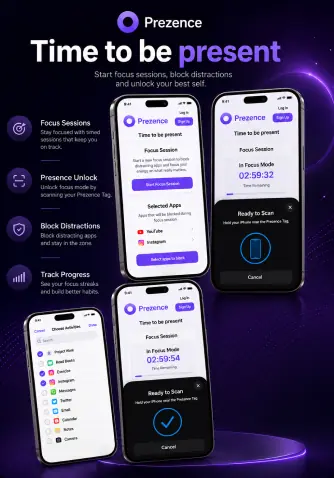
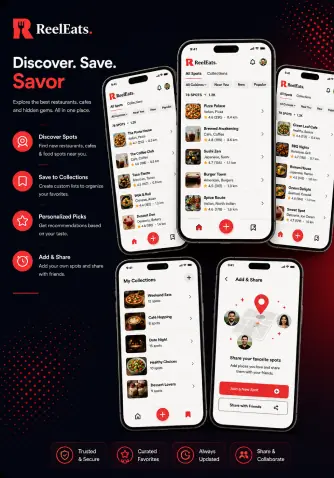
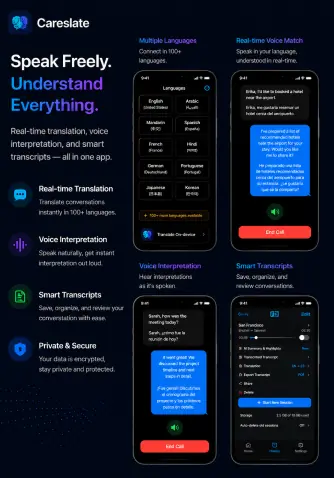
famooshedidc-ujoinbeetkoralionstudio-ailokalapptosmartbababanounbasafrdocscannerludusiomaamarmcokieme-by-mindmudeermukaabmy-meeting-cardpaaetpixiprezenceraceboardrecuriciclarioschutzwinkelshishrspendulgetrainaerotrendzfanszatarafamooshedidc-ujoinbeetkoralionstudio-ailokalapptosmartbababanounbasafrdocscannerludusiomaamarmcokieme-by-mindmudeermukaabmy-meeting-cardpaaetpixiprezenceraceboardrecuriciclarioschutzwinkelshishrspendulgetrainaerotrendzfanszatara
Since 2016
0+Projects Delivered
0+Clients Served
0+Countries Reached

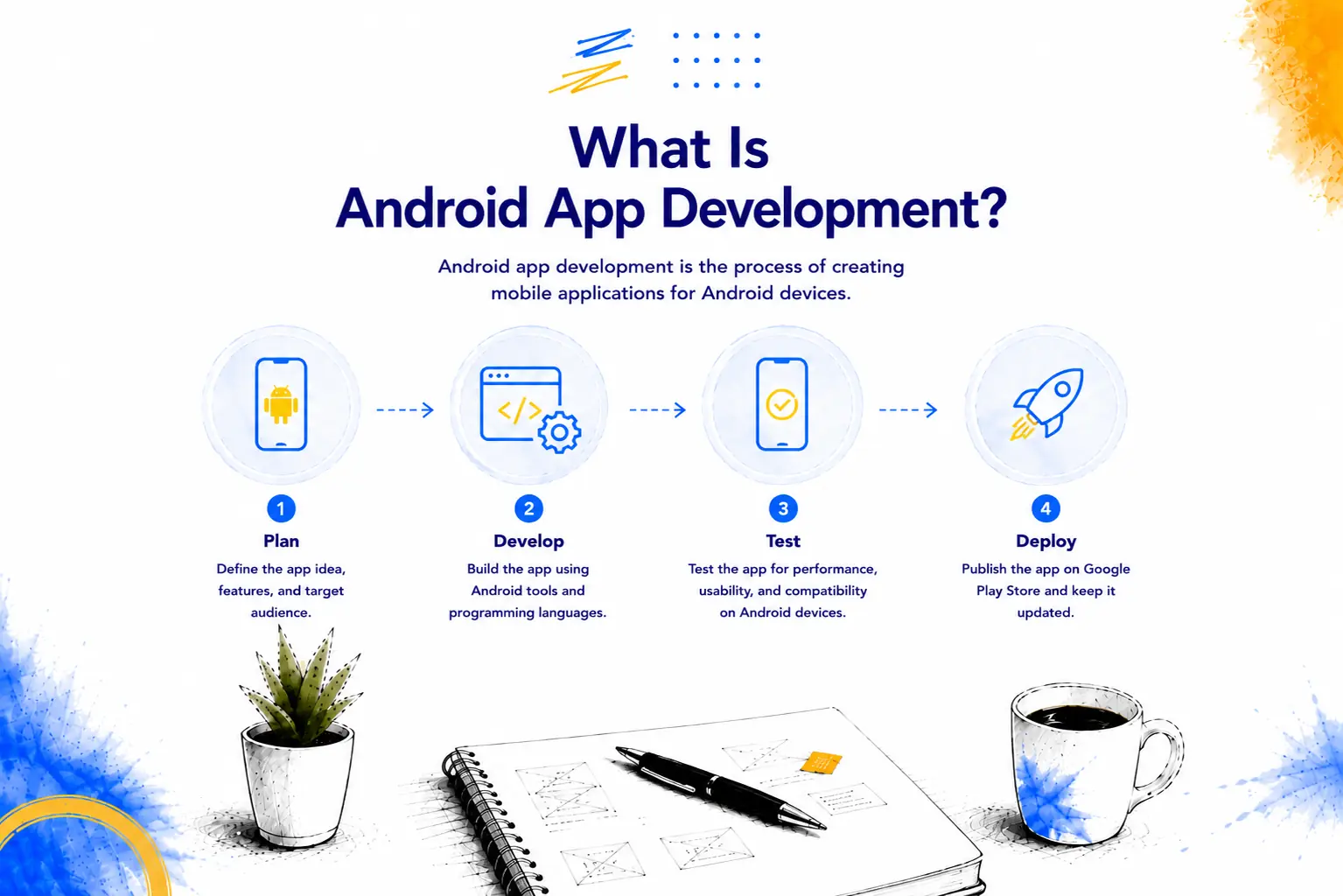
What Is Android App Development?

Android app development is the practice of building applications that run natively on Android devices—phones, tablets, and foldables—using Kotlin as the primary language, the Jetpack suite of libraries for architecture and UI, and Material Design as the visual and interaction language. A native Android app compiles to the platform, taps directly into device capabilities like the camera, sensors, background work, and notifications, and is distributed through the Google Play Store under Google's review and policy rules. Done well, it loads fast, respects the user's battery and data, and behaves correctly whether it runs on a flagship phone or a three-year-old budget device.

Android app development

At Mobilions, Android app development is done by senior engineers who treat the device landscape as the real problem. We build the UI in Jetpack Compose or views, structure the app around a clean architecture, wire in offline storage and background sync, and then test on physical hardware across screen sizes and OS versions—because the hard part is not making an app run on one phone, it is making it run correctly across fragmentation and real devices. Anyone can demo an Android app in an emulator; the gap between that demo and a stable app in thousands of users' hands—handling memory pressure, flaky networks, manufacturer skins, and Google Play's compliance bar—is exactly where we focus, because it decides whether your app earns good reviews or quietly churns users.

What We Build

Mobilions delivers six Android app development capabilities, each available on its own or as part of a larger build. Explore each below.

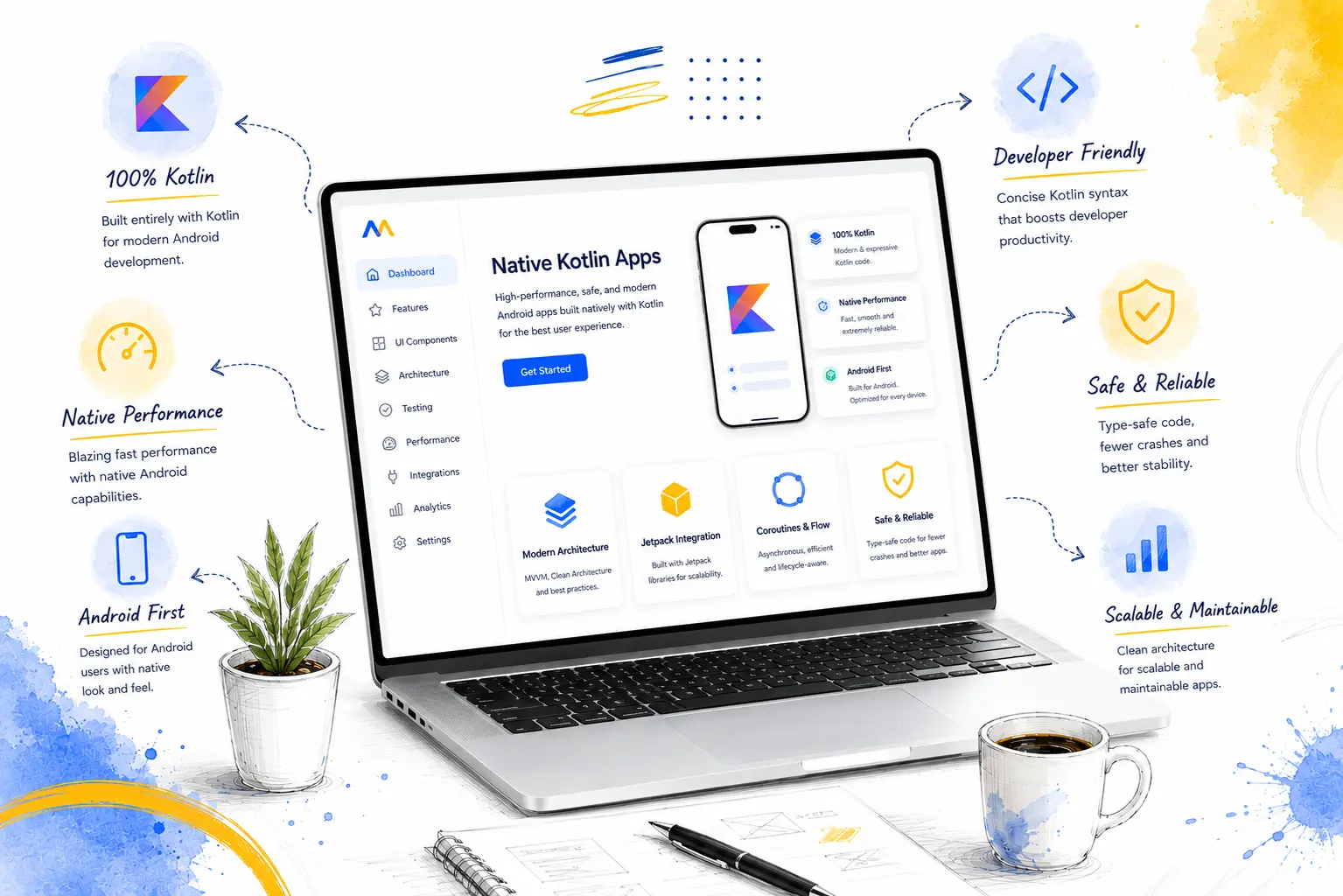
Native Kotlin Apps

We build native Android apps in Kotlin, structured around modern architecture so they stay fast, testable, and maintainable as they grow. Kotlin app development gives you direct access to the platform's full capability—camera, sensors, background processing, and notifications—with the performance and polish users expect from a first-class Android app rather than a wrapped web view.

Native Kotlin Apps

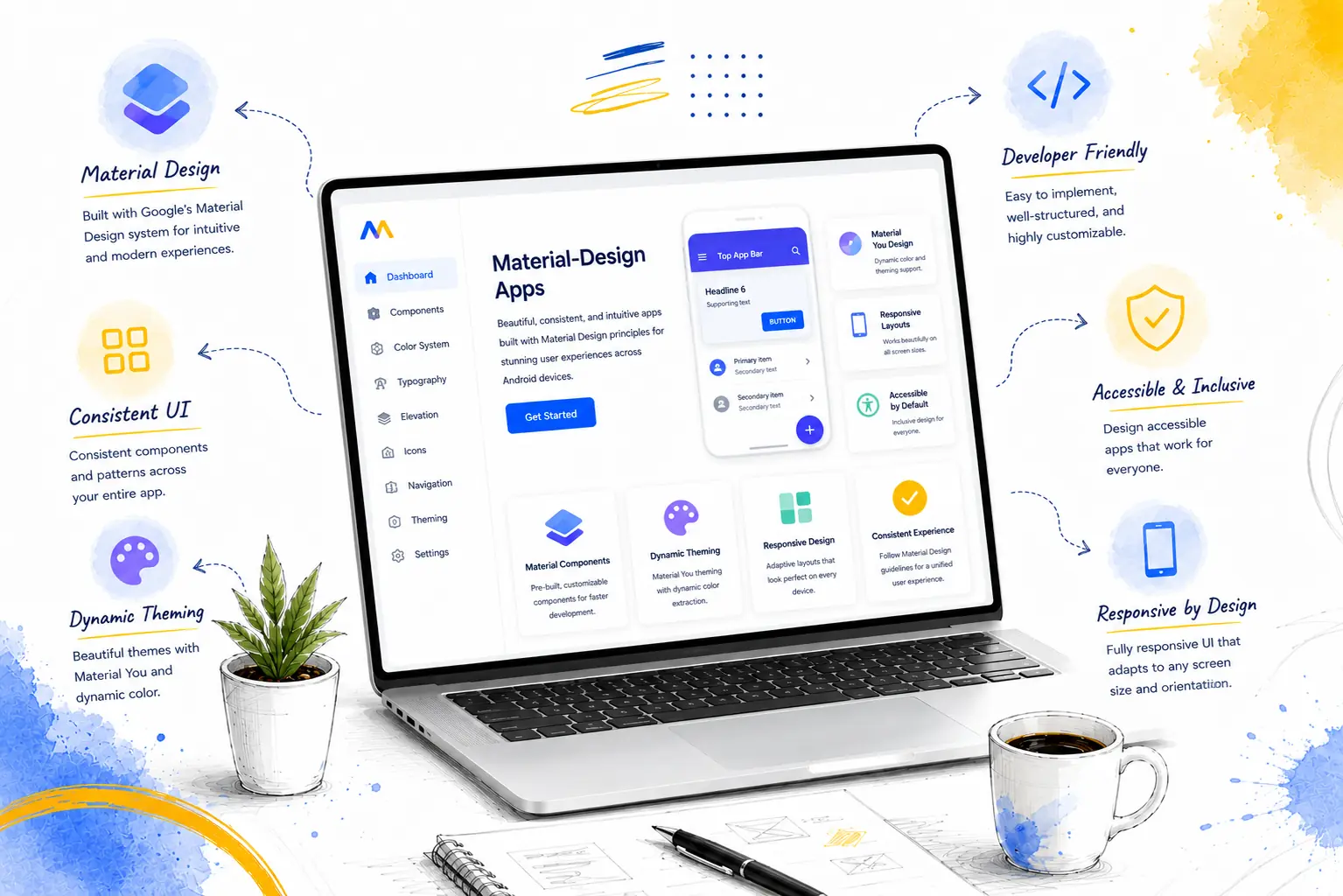
Material-Design Apps

We design and build to Google's Material guidelines, so your app feels native to Android in motion, layout, and interaction rather than a port from another platform. Consistent components, theming, dark mode, and accessibility are handled properly, so the app looks right and works for everyone from day one.

Material-Design Apps

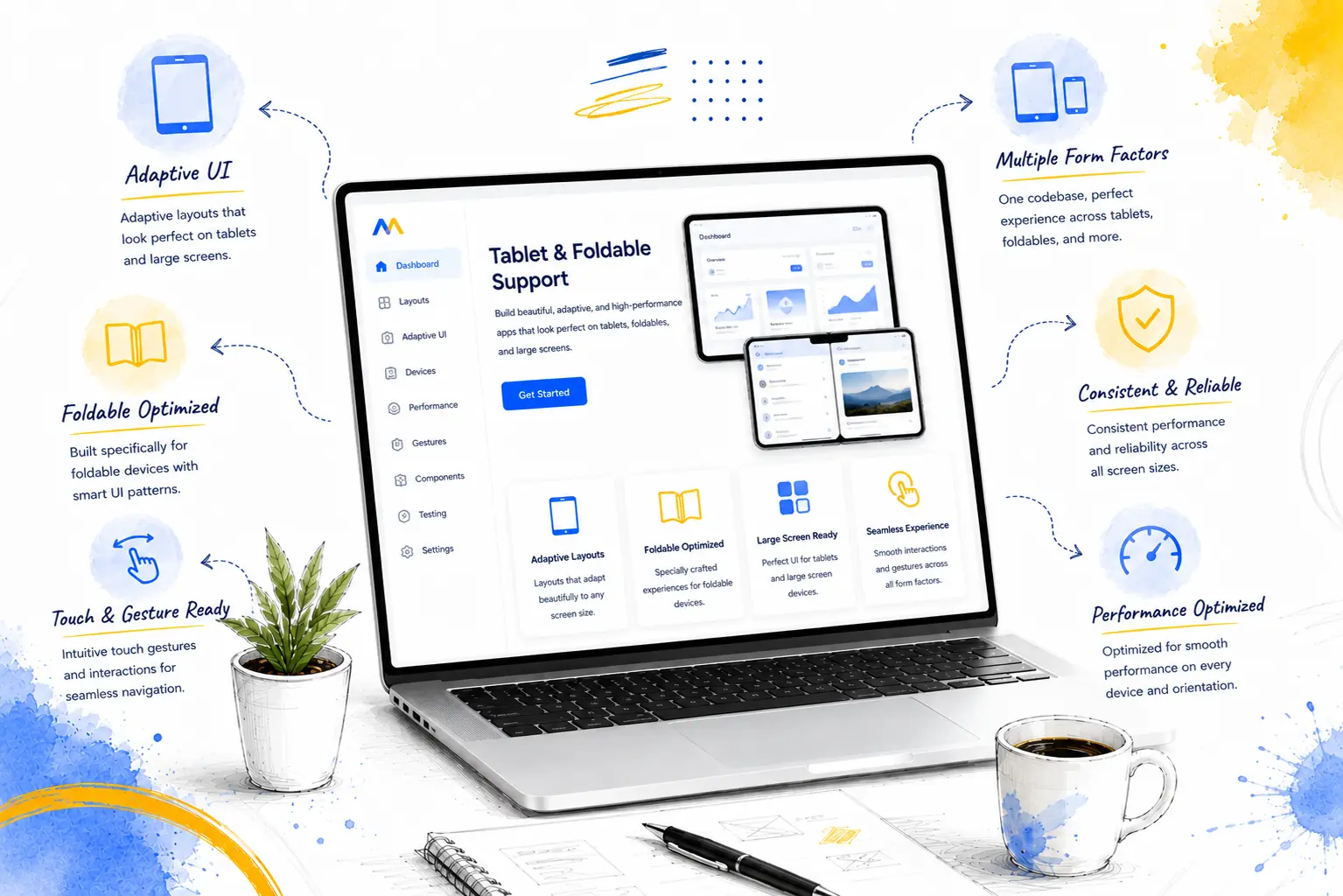
Tablet & Foldable Support

We build apps that adapt to large screens and foldables instead of stretching a phone layout awkwardly. Responsive layouts, multi-pane views, and continuity across fold states mean your app earns its place on tablets and foldables—and qualifies for the large-screen quality treatment Google Play increasingly rewards.

Tablet & Foldable Support

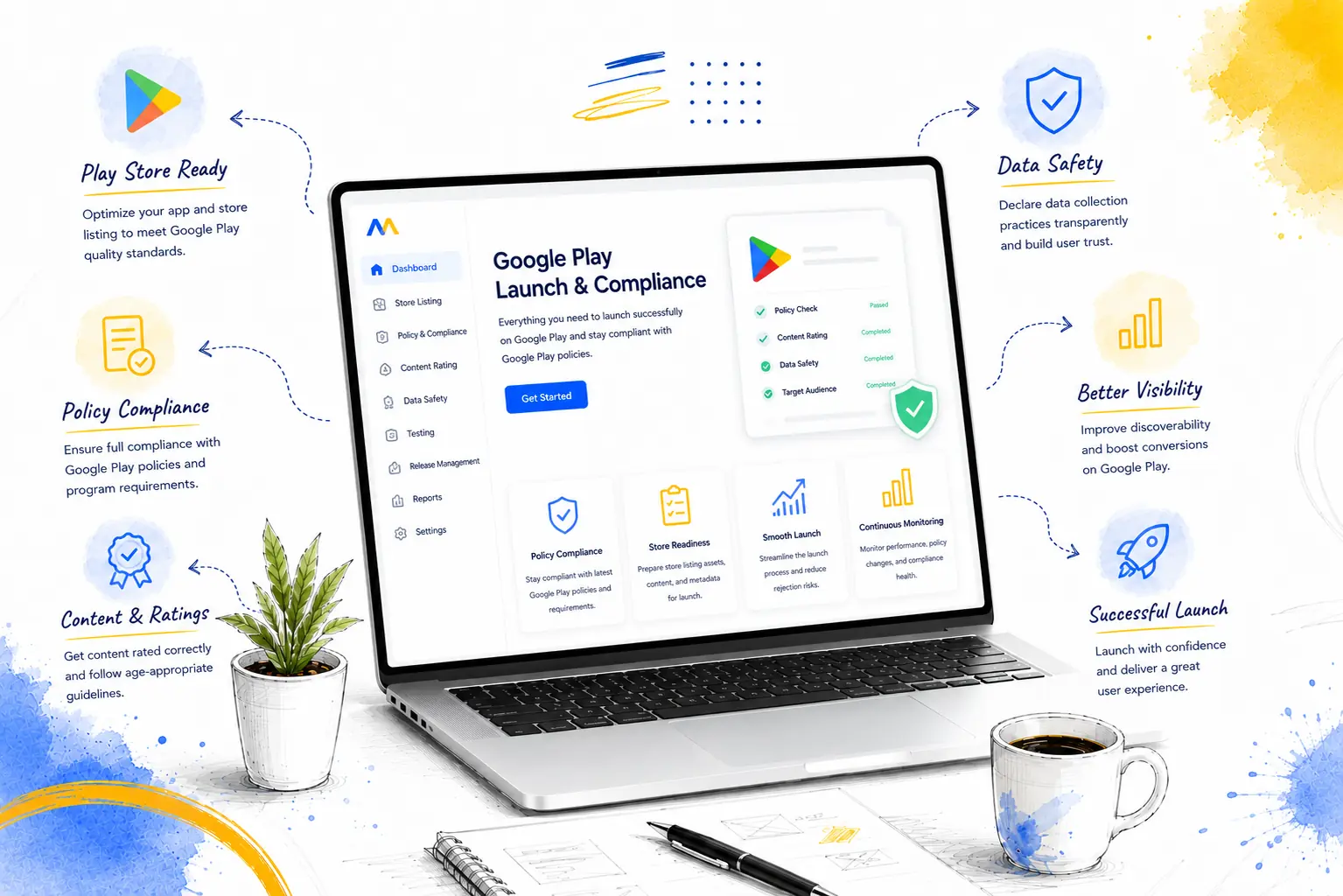
Google Play Launch & Compliance

We handle Google Play app development end to end: store listing, signing, the data-safety form, target-API and policy requirements, and staged rollout. We know where Play review rejects apps and design around those rules from the start, so launch is a planned event rather than a scramble against a moving compliance target.

Google Play Launch & Compliance

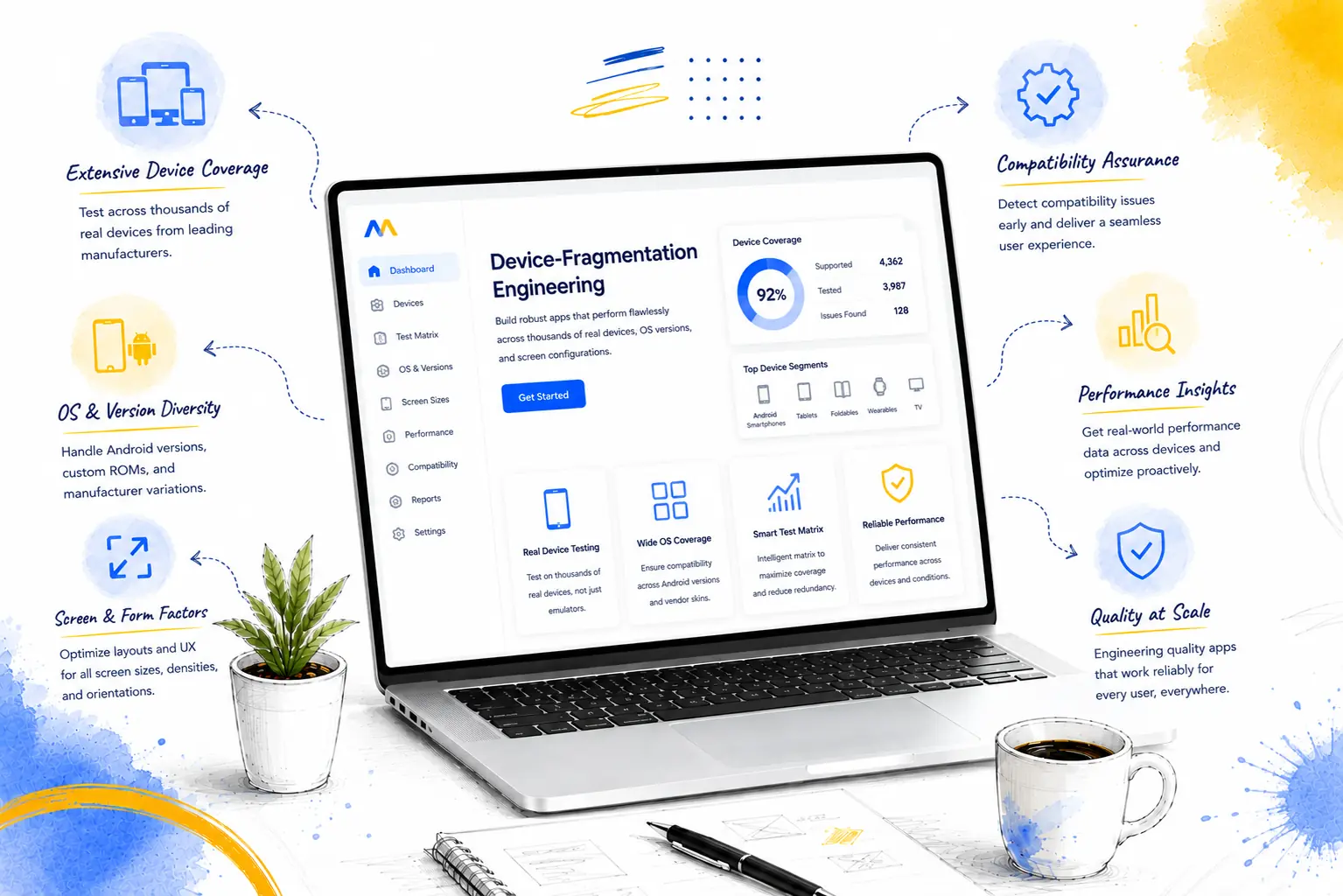
Device-Fragmentation Engineering

We engineer for the real Android landscape—dozens of screen sizes, OS versions, and manufacturer skins—and test on physical devices, not just an emulator. Memory limits, battery rules, and background-execution restrictions are designed for up front, so the app behaves correctly on a budget phone the same way it does on a flagship.

Device-Fragmentation Engineering

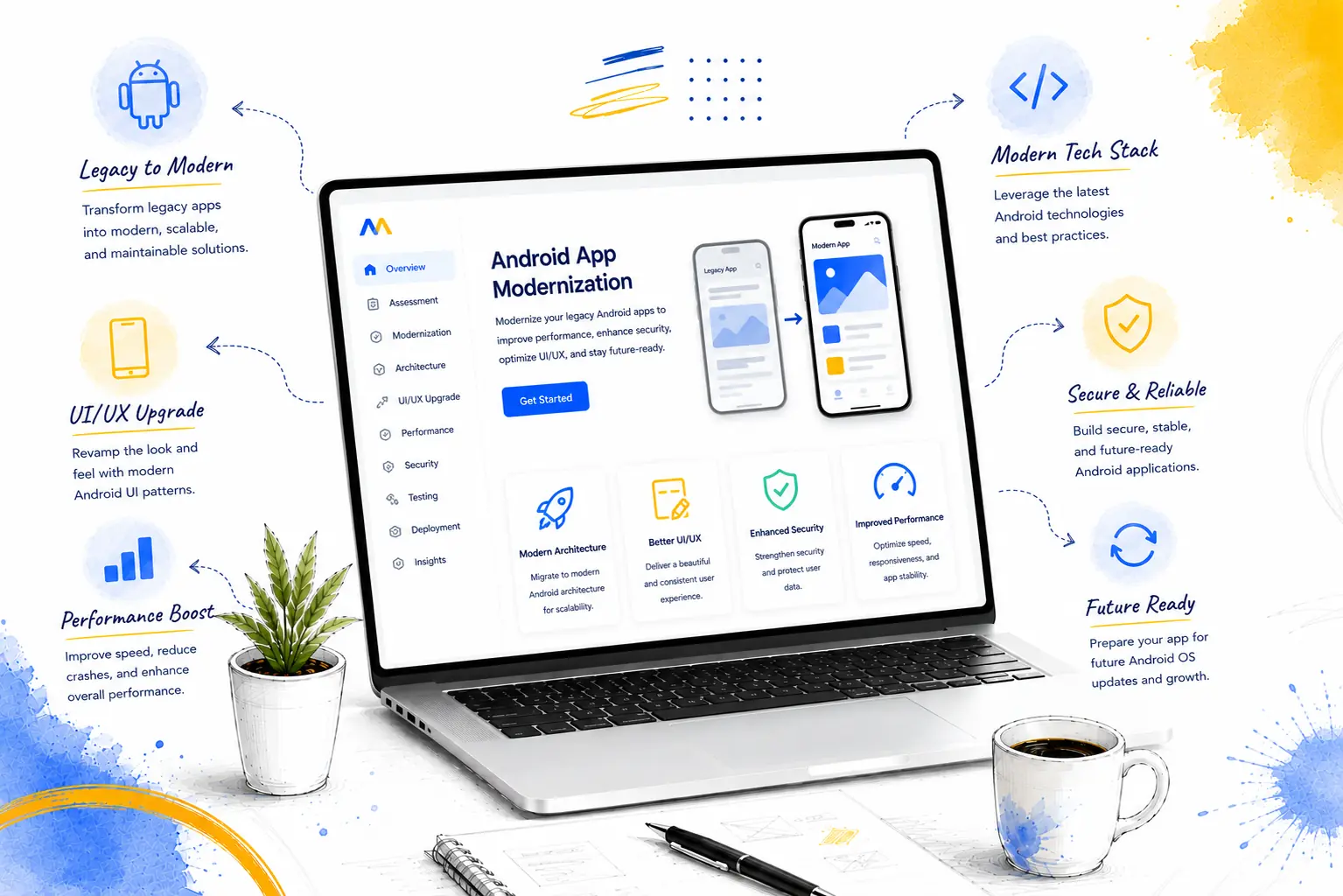
Android App Modernization

We modernize aging Android apps—migrating Java to Kotlin, replacing deprecated APIs, adopting Jetpack and Compose, and lifting the app to current target-API requirements so it stays publishable on Google Play. We do it incrementally where we can, so you keep shipping while the foundation gets rebuilt underneath.

Android App Modernization
Native Kotlin AppsMaterial-Design AppsTablet & Foldable SupportGoogle Play Launch & ComplianceDevice-Fragmentation EngineeringAndroid App Modernization
Part of our mobile app development services →

Have an Android app in mind?

A senior engineer will tell you whether native Android or cross-platform fits your audience and budget—and what it takes to ship it to Google Play.

Where Android Fits Best

Android app development pays off wherever you need direct device access, peak performance, or reach across the world's most widespread mobile platform—and we will tell you where it does not.

.01

Performance- and Hardware-Heavy Apps

When an app leans hard on the camera, sensors, real-time data, background processing, or graphics, native Android gives you the performance and direct hardware access a wrapped or cross-platform build struggles to match. If smooth frame rates and low-level device control decide whether your app feels good, native is where that is won.

.02

Reach Across Emerging and Budget-Device Markets

Android dominates much of the world, including markets full of budget and mid-tier devices. If your audience is global or price-sensitive, a native Android app engineered for low-end hardware and patchy networks reaches users that an iOS-first or heavyweight build would leave behind.

.03

Deep Google and Device Integration

When your app depends on Google services—maps, push, billing, sign-in—or on platform features like widgets, background sync, and rich notifications, native Android integrates with them cleanly and stays current as the platform evolves, instead of waiting on a framework to catch up.

.04

Where Android-Only Is Not Enough

If your audience is split across iPhone and Android and budget is tight, shipping Android alone leaves half your users behind—a cross-platform framework or a paired iOS build may serve you better, and we will say so. If you need both platforms fast from one codebase, Flutter or React Native can be the honest answer. And if your idea is still unproven, a leaner build to validate it first beats over-investing in native too early. Building the wrong thing well still wastes your budget, so we tell you straight.

How We Build Production Android Apps

Mobilions builds Android apps in four disciplined stages, so the app is fast, stable, and compliant in production.

Step 1.

Design & Architect

We map the app's flows, design to Material guidelines, and choose an architecture—Compose or views, modules, data, and offline strategy—before writing feature code. Getting the structure and the device-and-network assumptions right up front is what keeps the app maintainable and stops fragmentation problems from surfacing late, when they are expensive to fix.

Step 2.

Build in Kotlin

We build the app in Kotlin on modern Jetpack libraries, wiring in local storage, background work, and your APIs, and testing on physical devices as we go. Material components, theming, accessibility, and offline behavior are built in rather than bolted on, so the app feels native and holds up across the screen sizes and OS versions your users actually run.

Step 3.

Play Store Launch

We prepare the Google Play listing, signing, the data-safety form, and target-API and policy requirements, then roll out in stages so issues surface on a small slice of users before everyone gets them. Because we design to Play's rules from the start, review is a planned step rather than a last-minute scramble.

Step 4.

Support & Update

We monitor crashes, ANRs, performance, and reviews after launch, fix what real usage reveals, and keep the app current with each Android release and Google Play's evolving target-API and policy requirements. Support terms are agreed explicitly in the engagement, so the app keeps working as the platform moves underneath it.

Why Choose Mobilions as Your Android App Development Company

Clients choose Mobilions because the same senior engineering team that scopes the Android app also builds, launches, and supports it—on real devices, to Google Play's bar.

01

Native Engineering, Real Devices

We build native Kotlin apps and test them on physical hardware across screen sizes and OS versions, not just an emulator—because fragmentation is where Android apps actually break. The result is an app that behaves correctly on a budget phone and a flagship alike.

02

Built for Production, Not Demos

We engineer for memory limits, battery rules, flaky networks, and Google Play's compliance bar from the start, because Android apps fail on the real-world conditions around them, not the happy-path demo. We build for stability, performance, and good reviews under real usage.

03

One Team: Build → Launch → Support

The same senior team carries your app across the whole journey—design, Kotlin build, Google Play launch, and post-launch support—so there is no handoff and no loss of context as the platform and your product change.

04

You Own Everything

You keep the source code, the signing keys, and the Google Play account. We build for your team to operate and extend, with no lock-in.

What Clients Say

Mobilions' clients describe fast delivery, clear communication, and senior, trustworthy engineering—in their own words.

5.0RATING

Great experience working with this team. They completed the development work quickly and efficiently without wasting time. Communication was clear and consistent, they understood the requirements well, gave smart suggestions, and delivered exactly as discussed. I'd highly recommend them to anyone looking for a reliable, fast, and skilled app development team.


5.0RATING

We worked with Ankit, Mayur, and Tushar to build the first version of Baba Hebrew for iOS and Android, and they delivered super fast. The team was responsive, reliable, and efficient, taking the idea from zero to a working app in record time. I'd recommend them to anyone who wants to get an MVP live quickly.

5.0RATING

Tushar and Ankit did an outstanding job developing our native iOS (Swift) and Android (Kotlin) apps. They were efficient, responsive, and technically strong throughout. Thanks to their work, we launched successfully and gained over 1,000 users in the first 30 days. Highly recommend this team for quality mobile app development.

5.0RATING

It was a wonderful experience working with Tushar, Ankit, and their team. They built a great mobile app for me and truly brought my vision to life. What stood out was not just their technical skill but their attitude: always positive, solution-oriented, and incredibly patient. They went above and beyond at every step, finding creative workarounds and staying committed even when things got challenging. Extremely professional and trustworthy. I would absolutely hire them again.

5.0RATING

Great experience working with this team. They completed the development work quickly and efficiently without wasting time. Communication was clear and consistent, they understood the requirements well, gave smart suggestions, and delivered exactly as discussed. I'd highly recommend them to anyone looking for a reliable, fast, and skilled app development team.
5.0RATING

We worked with Ankit, Mayur, and Tushar to build the first version of Baba Hebrew for iOS and Android, and they delivered super fast. The team was responsive, reliable, and efficient, taking the idea from zero to a working app in record time. I'd recommend them to anyone who wants to get an MVP live quickly.

5.0RATING

Tushar and Ankit did an outstanding job developing our native iOS (Swift) and Android (Kotlin) apps. They were efficient, responsive, and technically strong throughout. Thanks to their work, we launched successfully and gained over 1,000 users in the first 30 days. Highly recommend this team for quality mobile app development.

5.0RATING

It was a wonderful experience working with Tushar, Ankit, and their team. They built a great mobile app for me and truly brought my vision to life. What stood out was not just their technical skill but their attitude: always positive, solution-oriented, and incredibly patient. They went above and beyond at every step, finding creative workarounds and staying committed even when things got challenging. Extremely professional and trustworthy. I would absolutely hire them again.

Frequently Asked Questions

The most common questions buyers ask about Android app development—answered directly.

Android app development is the practice of building applications that run natively on Android phones, tablets, and foldables, written primarily in Kotlin on the Jetpack libraries, designed to Material guidelines, and published to the Google Play Store. A native app taps directly into device capabilities like the camera, sensors, background work, and notifications, and is built and tested to behave correctly across the wide range of devices and OS versions real users run.

We build new Android apps in Kotlin, Google's recommended and now-default language for Android. Kotlin is more concise, safer against null-pointer crashes, and fully interoperable with existing Java code, so modern Jetpack and Compose are designed around it. We still work in Java when an existing app requires it, and a common modernization request is migrating an older Java codebase to Kotlin incrementally.

Native Android wins when you need peak performance, deep device and Google integration, or the most polished platform-true experience. A cross-platform framework like Flutter or React Native wins when you need both iOS and Android fast from one codebase and the app is more standard in its UI and hardware use. The honest answer depends on your audience, budget, and how hardware-heavy the app is—we will recommend native or cross-platform based on what actually fits, not what we prefer to build.

We engineer for the real Android landscape from the start—dozens of screen sizes, OS versions, and manufacturer skins—rather than a single emulator. We use responsive layouts, design for low-end as well as flagship hardware, account for memory limits and background-execution restrictions, and test on physical devices across the range your users actually run. That is how an app behaves correctly on a three-year-old budget phone the same way it does on the newest flagship.

We handle Google Play app development end to end: store listing, app signing, the data-safety form, target-API and policy requirements, and staged rollout. Because we design to Play's rules from the start—rather than discovering them at submission—review is a planned step rather than a last-minute scramble, and we roll out in stages so any issue surfaces on a small slice of users first.

Cost depends on scope: the number of features, the depth of backend and Google-service integrations, design complexity, tablet and foldable support, and compliance needs. A focused single-purpose app reaches a working version faster and cheaper than a feature-rich app wired into several systems. The fastest way to a real number is a short scoping call—Get a Project Estimate.

Timeline tracks scope. A focused Android app with a clear feature set can reach a working version in weeks; a larger app with deep integrations, tablet and foldable support, and compliance requirements takes longer. We scope in stages so you see a usable app early and expand from there, rather than waiting months for a single big-bang launch.

Yes. After launch we monitor crashes, ANRs, performance, and store reviews, fix what real usage reveals, and keep the app current with each Android release and Google Play's evolving target-API and policy requirements—so it stays publishable and stable over time. Specific support terms are agreed explicitly in the engagement rather than assumed.

You do. You own the source code, the app signing keys, and the Google Play account—we set them up in your name or transfer them to you, so there is no lock-in. We build for your team to operate and extend, and we sign an NDA on request. The work and the assets are yours.

Yes. We build native iOS apps in Swift alongside Android, and many of our projects ship on both platforms. If you want both from one codebase, we also build with Flutter and React Native and will help you choose between native-per-platform and cross-platform based on your audience, budget, and how hardware-heavy the app is.

Let's build your next big thing

Let's build your next big thing. Share your idea and get a free consultation—we respond within one business day.

0+
Products shipped
0+
Clients served
0+
Countries reached
Call Us (USA)
+1-856-524-5593

Get a Free Quote

A senior engineer replies within one business day · NDA on request · no obligation · you own the code and IP.