
































Great experience working with this team. They completed the development work quickly and efficiently without wasting time. Communication was clear and consistent, they understood the requirements well, gave smart suggestions, and delivered exactly as discussed. I'd highly recommend them to anyone looking for a reliable, fast, and skilled app development team.

Infrastructure as Code Services for Repeatable Environments
Mobilions delivers infrastructure as code services—Terraform provisioning, repeatable environments, drift detection, and GitOps—defined and operated by senior engineers. You own the infrastructure code and its full history throughout, so spinning up an environment or recovering from a failure is a repeatable, auditable action rather than tribal knowledge.
Part of our cloud and DevOps services →What Is Infrastructure as Code?
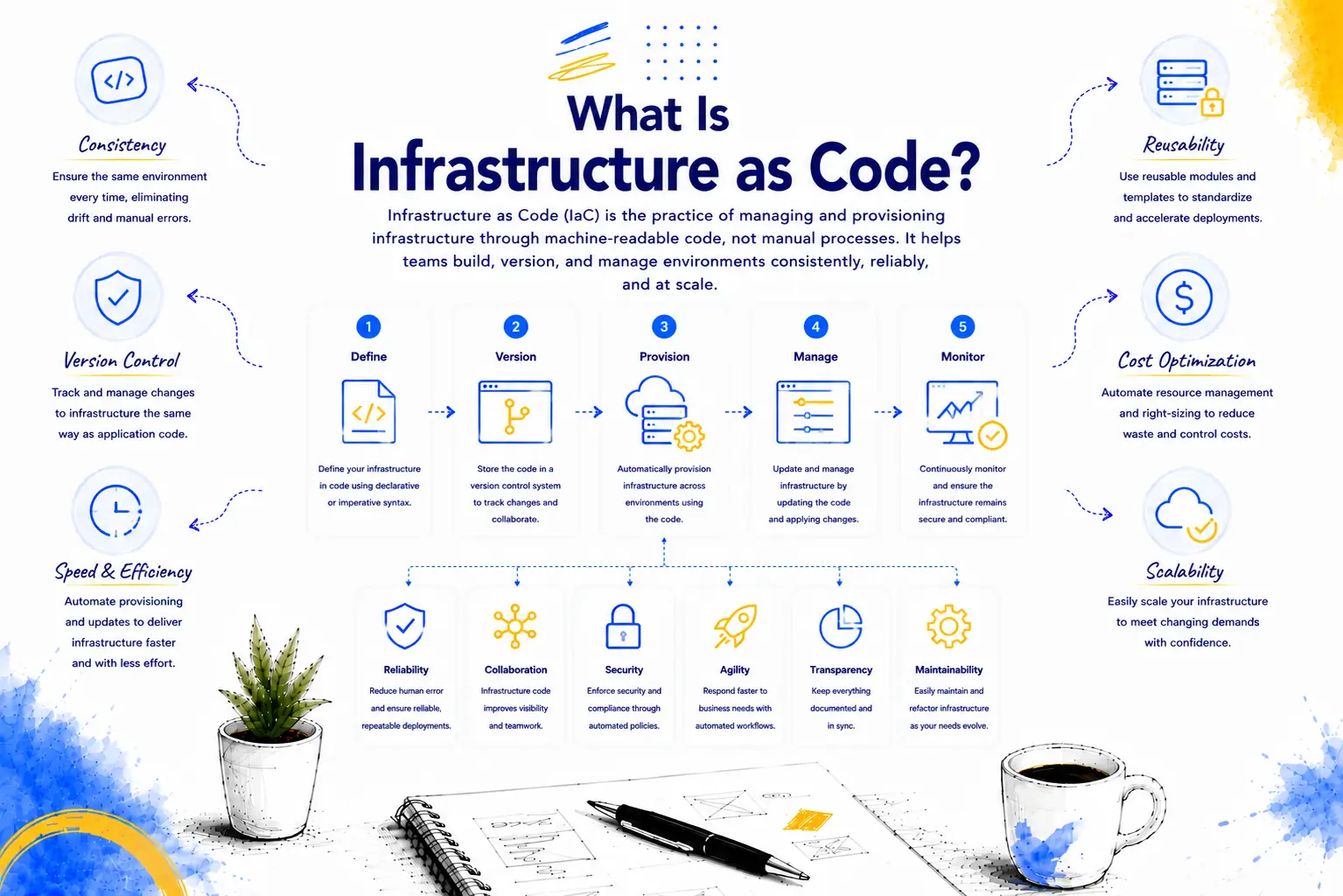
Infrastructure as code is the practice of describing your infrastructure—compute, networking, storage, databases, permissions, and the rest—in declarative configuration files that are stored in version control and applied by automation, rather than provisioning those resources by hand in a cloud console.

The shift is from “configure it once and hope it stays that way” to “define it, review it, and apply it.” A tool like Terraform reads your definition, compares it to what actually exists, and makes reality match the file. Because the definition lives in Git, every change is reviewed, recorded, and reversible—the same discipline you already apply to application code, now applied to the environment that runs it.
You feel the need for IaC when the manual approach starts to cost you. Two environments drift apart and a bug only happens in one of them. Recreating production for a test takes days because nobody can list everything it contains. A change goes in directly, breaks something, and there is no record of what was different before. None of these are exotic problems—they are the normal failure modes of hand-built infrastructure, and they are exactly what defining infrastructure in code removes. That is where infrastructure as code services pay for themselves, and where the rest of this page lives.
What We Build
Six categories cover most of the infrastructure as code work we deliver. Real engagements usually combine several—provisioning automation feeding repeatable environments, with drift detection and GitOps wrapped around both.
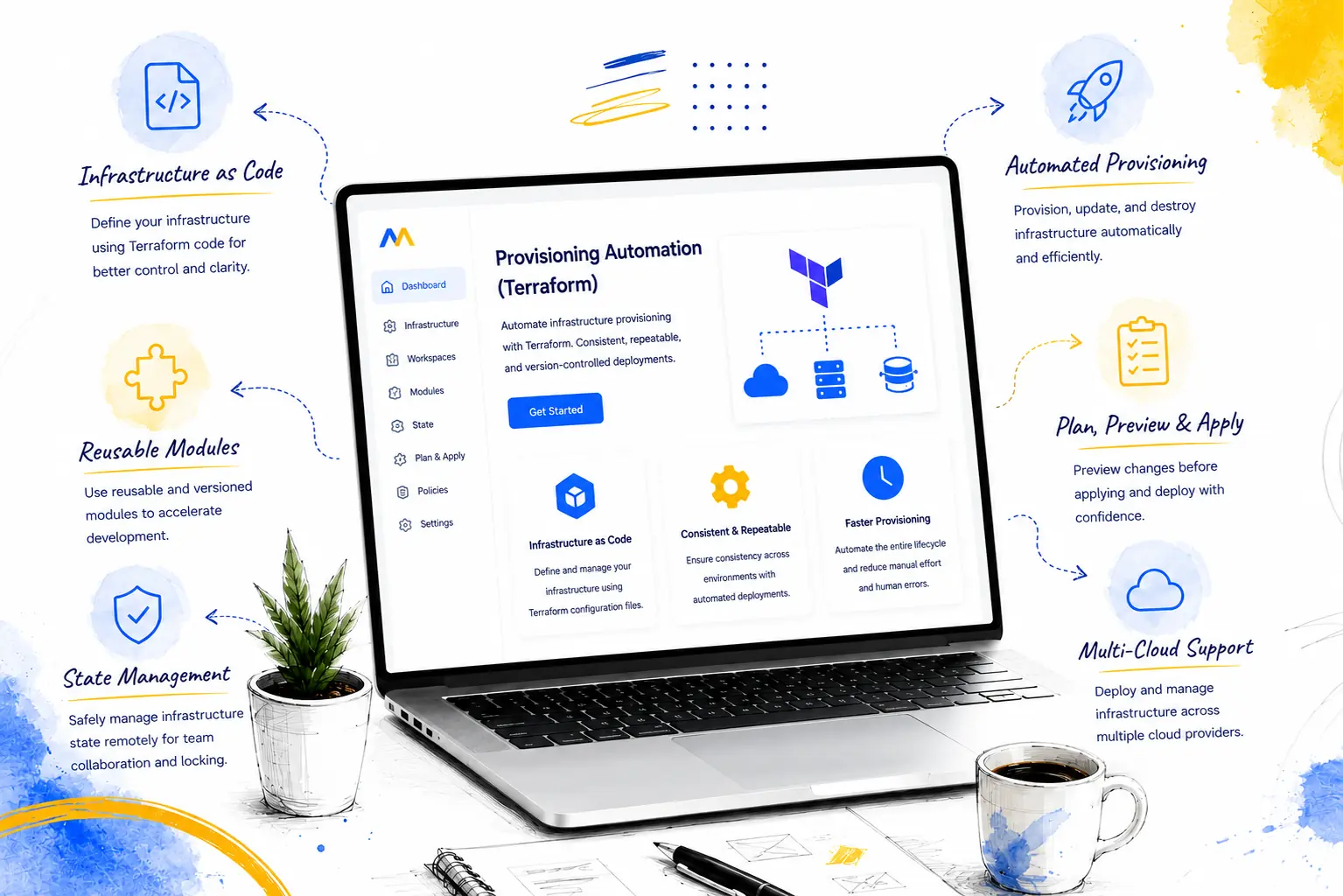
Provisioning Automation (Terraform)
Defining your cloud resources—compute, networking, databases, storage, DNS, and access—as Terraform configuration that provisions a complete environment from a single, reviewed source. Instead of clicking through a console and hoping the steps were captured somewhere, you get an environment that builds itself the same way every time, and a plan you can read before anything changes.

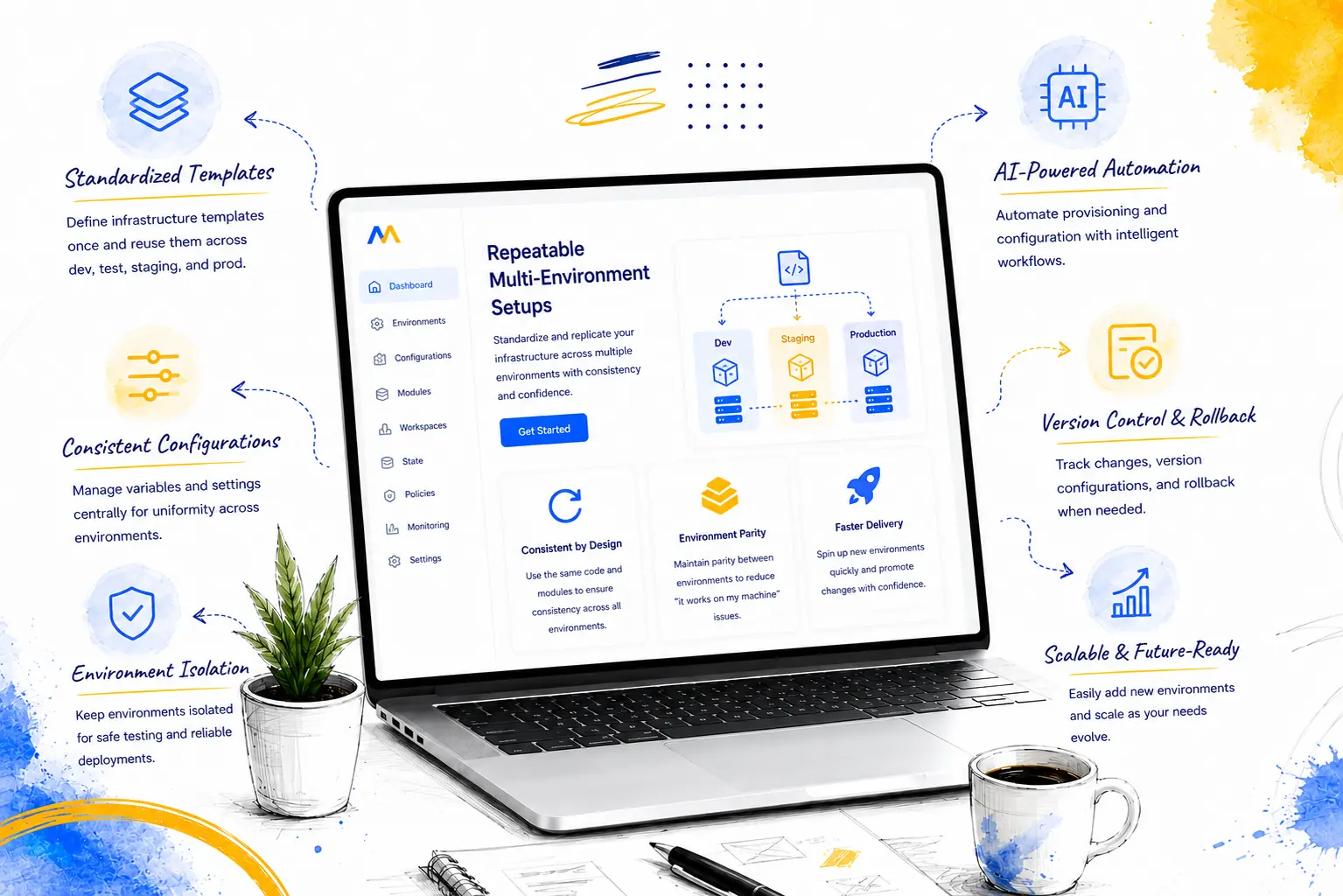
Repeatable Multi-Environment Setups
One definition that produces consistent dev, staging, and production environments, parameterized so the differences between them are explicit and small. When staging genuinely mirrors production, the bugs you catch in staging are the bugs that would have hit production—and standing up a new environment for a new client, region, or test is a known, fast operation rather than a project.

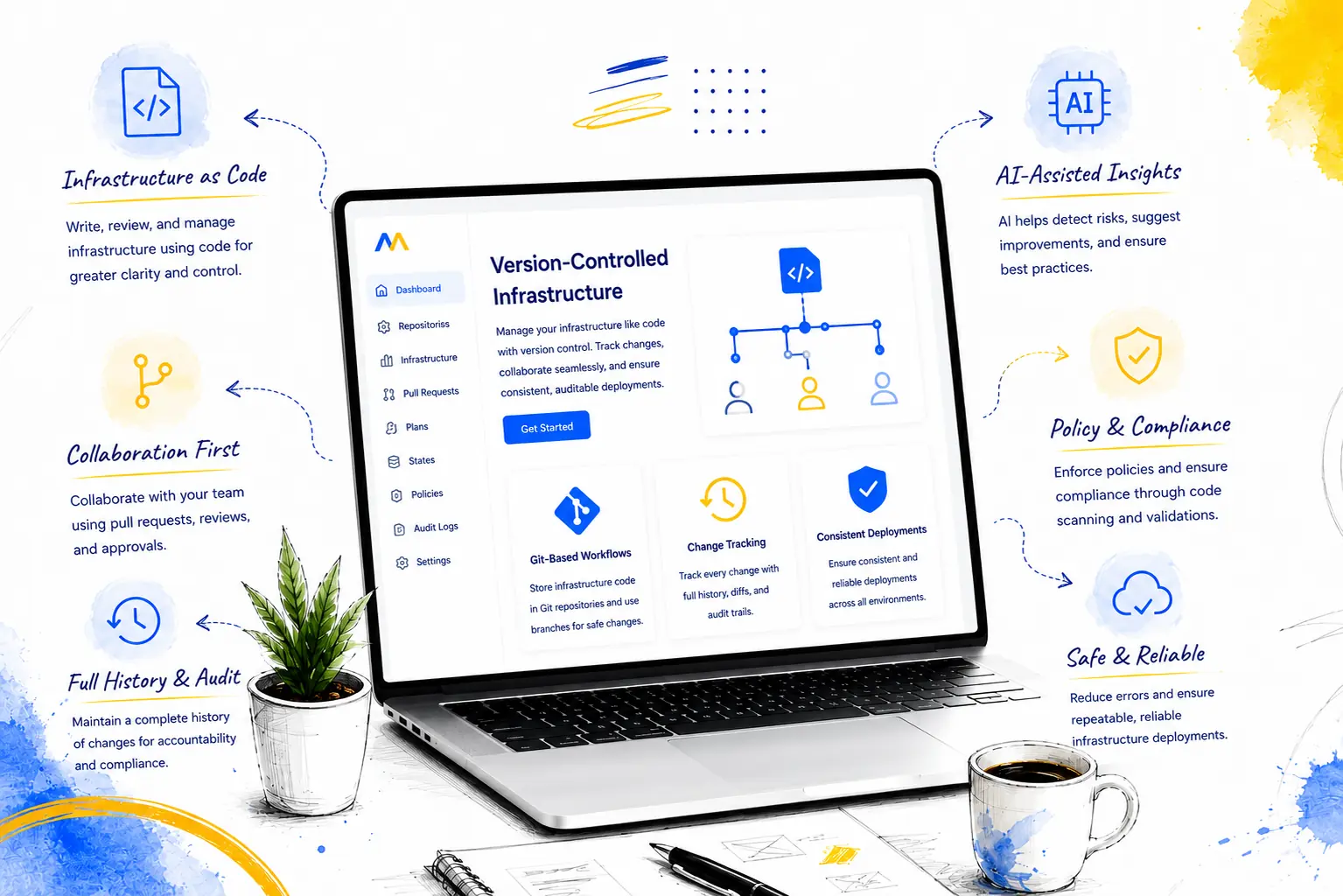
Version-Controlled Infrastructure
Your infrastructure definition lives in Git, so every change is proposed, reviewed, and recorded the same way application code is. You get a full history of what changed, who changed it, and why—plus the ability to roll back. This is where tribal knowledge turns into a documented, auditable system anyone on the team can read.

Drift Detection & Compliance
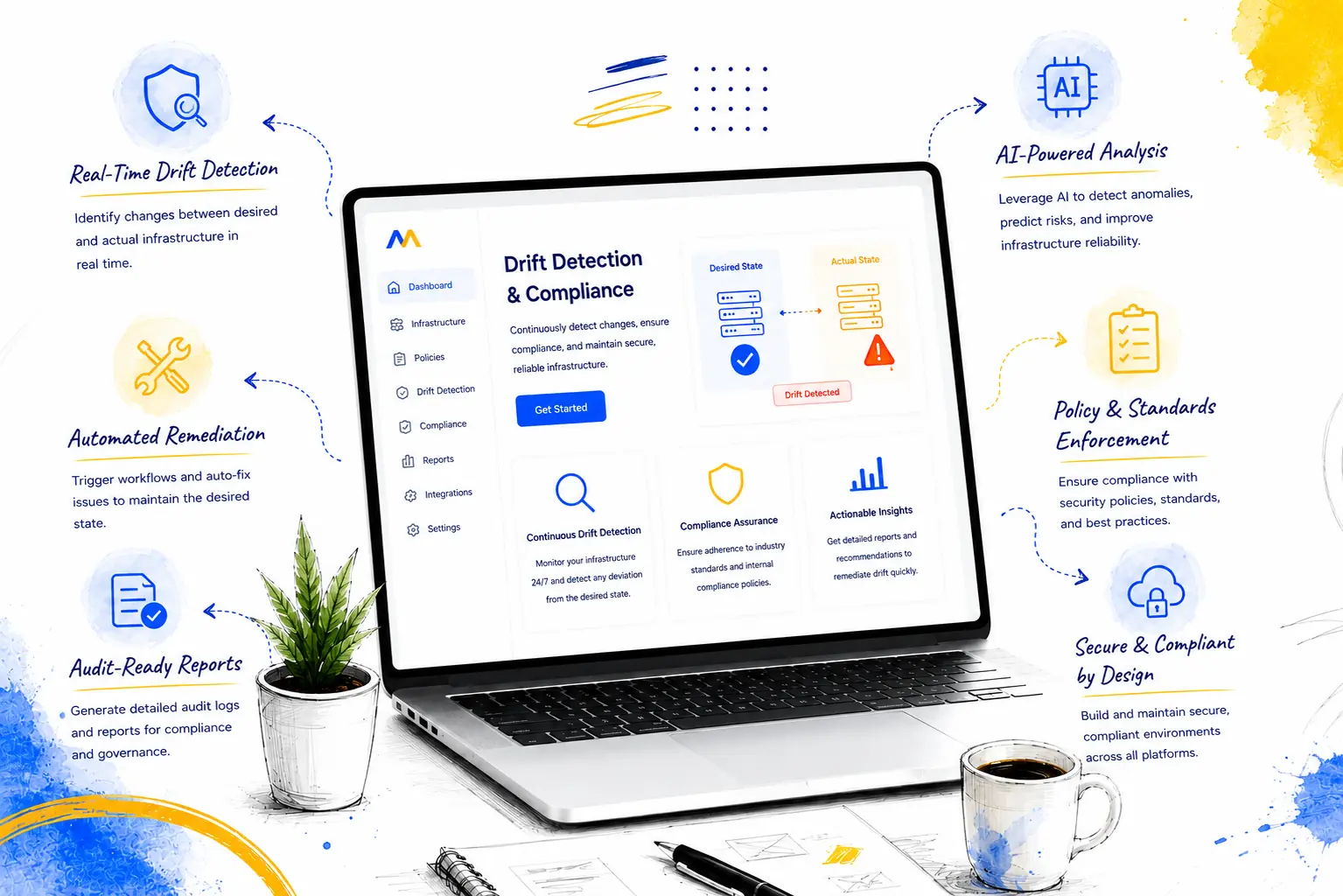
Detecting when live infrastructure has drifted from its defined state—someone made a manual change, a resource was altered out of band—and surfacing it before it causes an outage or a failed audit. We set up the checks that compare reality to code so drift is caught and corrected deliberately, not discovered during an incident.

GitOps Workflows
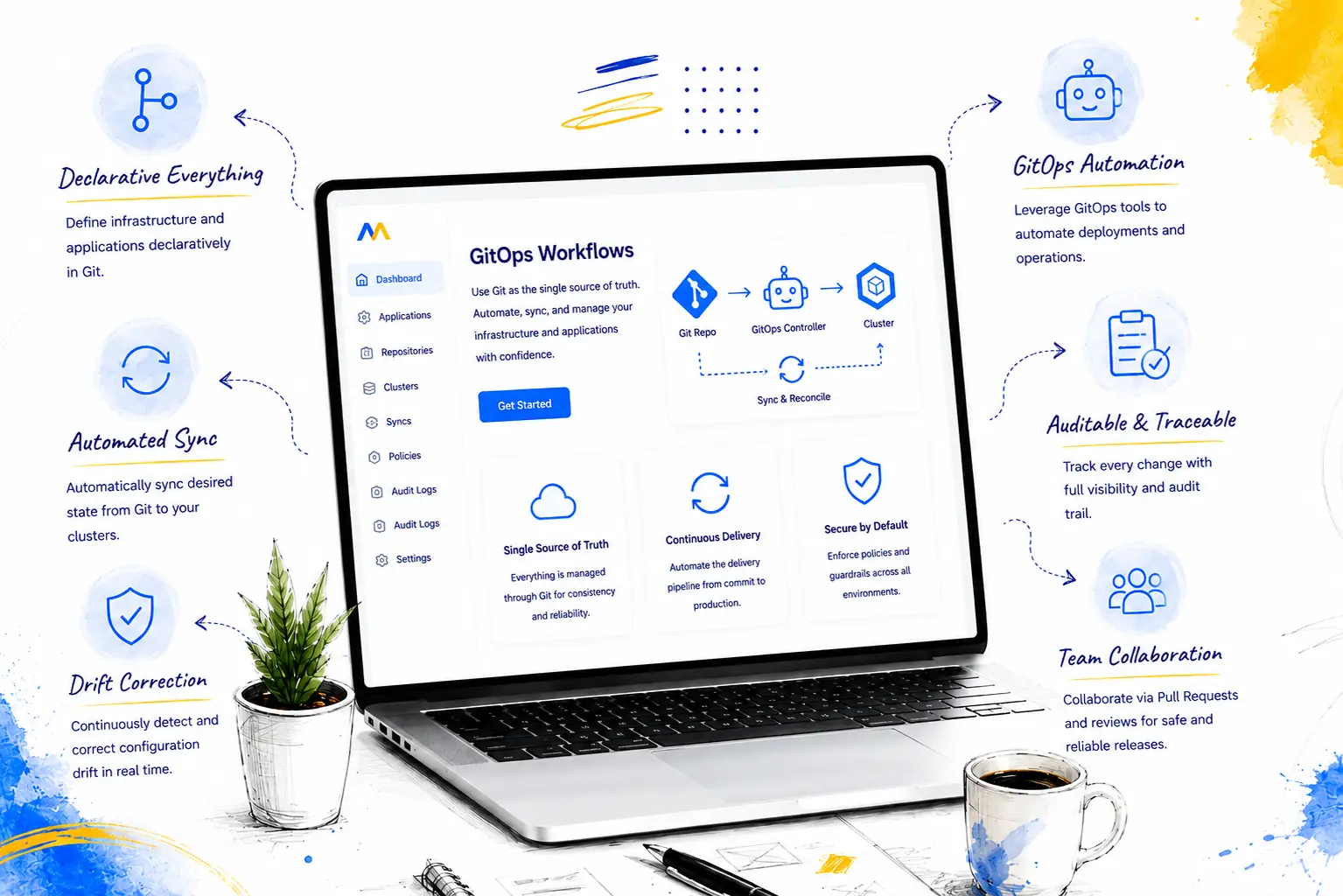
Treating Git as the single source of truth for infrastructure, with changes applied automatically through reviewed pull requests and pipelines rather than by hand. A merge becomes a deployment; a revert becomes a rollback. GitOps makes infrastructure changes consistent, traceable, and safe to delegate across a team.

Migrating Hand-Built Infra to Code
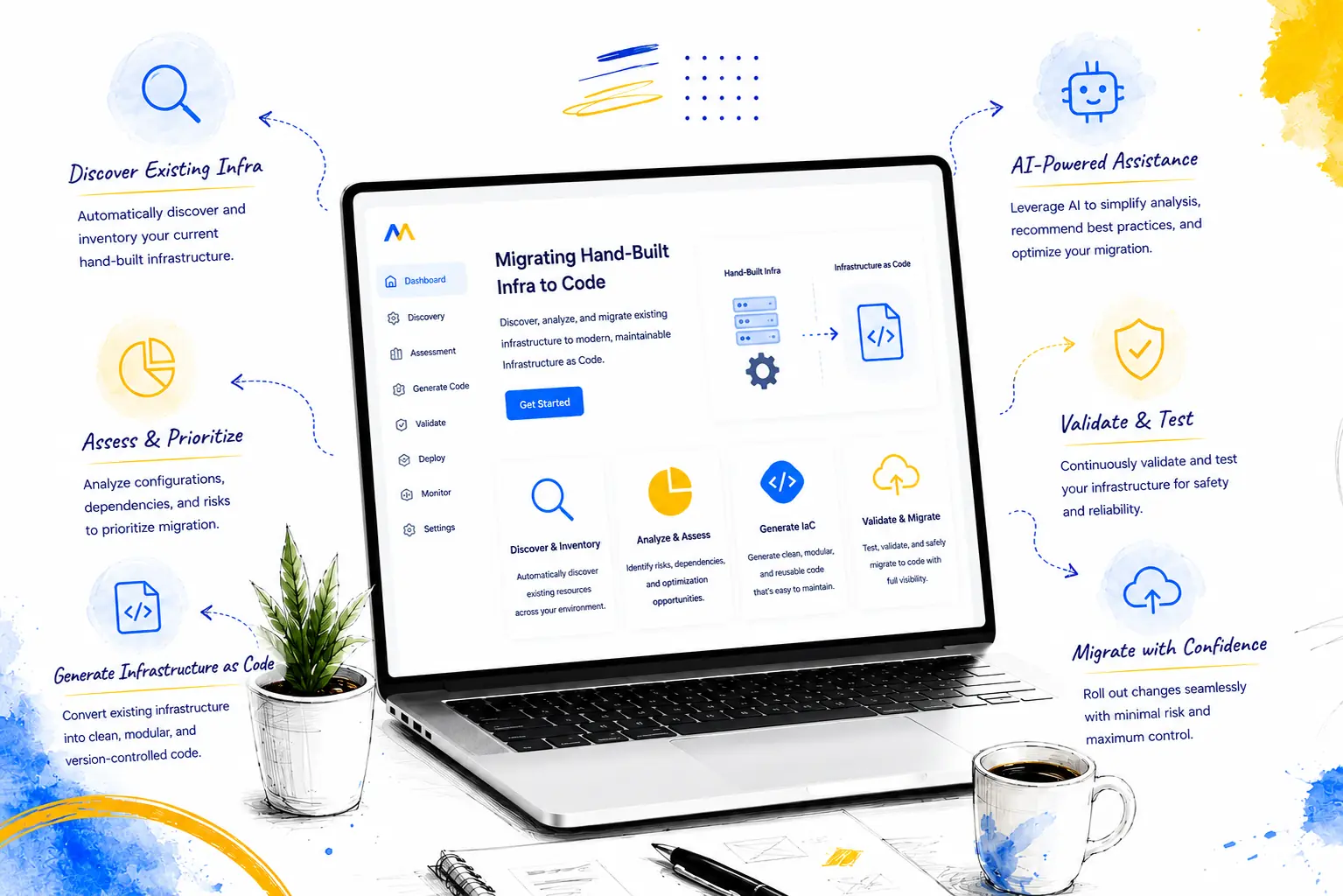
Bringing existing, manually built infrastructure under code without tearing it down. We map what you currently run, import it into a Terraform definition, and reconcile the two so the code matches reality—then you get the benefits of IaC on the systems you already depend on, migrated in stages rather than in one risky rebuild.


Tired of hand-built infrastructure?
A senior engineer will map what you run today and tell you honestly whether full IaC is warranted—and what it takes to make your environments repeatable and auditable.
Where Infrastructure as Code Fits Best
IaC is a tool, not a default. These four cases show where it clearly earns its cost—and one where it doesn't yet.
When You Run More Than One Environment
If you have dev, staging, and production—or per-client and per-region environments—keeping them consistent by hand is where mistakes live. IaC defines them from one parameterized source so they stay aligned, and so the bugs you catch in staging are the ones that would have reached production.
When More Than One Person Touches Infrastructure
The moment infrastructure is not owned by a single person in their head, you need a shared, reviewable source of truth. Code in version control replaces tribal knowledge with a record everyone can read, review, and change safely—so a vacation, a handover, or a new hire doesn't become a risk.
When Recovery and Auditability Matter
If you have to be able to rebuild an environment after a failure, or prove what your infrastructure looks like for a compliance review, defining it in code makes both routine. Recovery becomes “apply the definition,” and auditability comes for free because every change is recorded in Git.
Where Full IaC Is Not Needed Yet
Honest counterpoint: not every setup needs full IaC. A tiny static site on a single managed host, or a one-off environment that will never be rebuilt, often doesn't justify the overhead of a complete Terraform setup—the time to build and maintain the code can outweigh what you get back. If your infrastructure is small, stable, and touched by one person, a lighter approach may serve you better. We will tell you that before you spend a dollar, and revisit it as you grow.
How We Build Production IaC
A predictable, four-step path from hand-built or greenfield infrastructure to a defined, repeatable system you own.
Assess
We map what you run today—every environment, resource, and dependency—and where the manual gaps and drift risks are. This is also where we tell you honestly whether full IaC is warranted yet. The output is a clear plan: what gets codified, in what order, and what stays as-is.
Codify
We write the infrastructure definition in Terraform, structured into reusable modules so common patterns aren't repeated and rebuilt each time. Where infrastructure already exists, we import and reconcile it so the code matches reality rather than fighting it. Everything goes into version control with reviewed changes from the start.
Roll Out
We apply the definition deliberately—standing up or aligning dev, staging, and production—verifying each step with a reviewable plan before anything changes. Where we're migrating live systems, we move in stages so the business keeps running rather than risking a single big cutover.
Operate & Maintain
After rollout we keep the system trustworthy: drift detection running, GitOps workflows in place, and the definition maintained as your needs grow. Infrastructure is not finished at first apply—it evolves with your product, and we build it to be extended and handed over cleanly.
Industries We Serve
Infrastructure as code applies across sectors. A sample of where we work:
Fintech
Repeatable, auditable environments for products handling money and sensitive data.
Healthcare
Version-controlled, recoverable infrastructure for products built around privacy and reliability.
SaaS
Consistent, parameterized environments for multi-tenant products that scale across regions and clients.
Ecommerce
Reproducible infrastructure that scales for traffic spikes and seasonal load.
Logistics
Reliable, repeatable environments for live, operational systems teams depend on.
Featured Case Studies
Mobilions proves its work through real, shipped products—not invented metrics. These are approved case studies with no fabricated results, revenue, or timelines.

Scannur
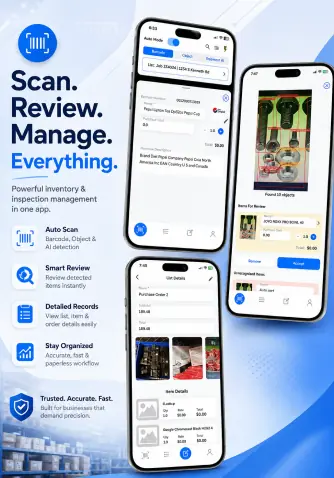
A barcode-and-image inventory scanner that exports clean spreadsheets.

GoLocal
One API serving native iOS, Android, and web for local discovery and deals.

Banoun
A native shopping app for a children's fashion retailer.

TrendzFans
A live-streaming app where creators build an audience and earn in real time.
Why Mobilions for Infrastructure as Code
Clients choose Mobilions because the same senior engineering team that scopes the work also builds, launches, and supports it.
Honest About When You Need IaC
We don't sell IaC by default. If a tiny, stable setup doesn't justify the overhead yet, we say so before you spend—so the IaC work we take on is work that genuinely earns its cost.
Products, Not Prototypes
Since 2016 we've delivered 250+ projects to 100+ clients across 20+ countries. We define and operate infrastructure built to run in production and to be maintained for years, not configurations that drift after handover.
Repeatable and Auditable by Design
We build so environments come from one reviewed source, every change is recorded in Git, and recovery is an apply rather than a scramble. Tribal knowledge becomes a documented system your whole team can read.
Built to Own and Hand Over
Infrastructure as code means you own the definition and the history. We structure it with reusable modules and clear workflows so your team—or ours—can keep extending it, not so you're locked into a black box.
What Clients Say
Mobilions' clients describe fast delivery, clear communication, and senior, trustworthy engineering—in their own words.
We worked with Ankit, Mayur, and Tushar to build the first version of Baba Hebrew for iOS and Android, and they delivered super fast. The team was responsive, reliable, and efficient, taking the idea from zero to a working app in record time. I'd recommend them to anyone who wants to get an MVP live quickly.
Tushar and Ankit did an outstanding job developing our native iOS (Swift) and Android (Kotlin) apps. They were efficient, responsive, and technically strong throughout. Thanks to their work, we launched successfully and gained over 1,000 users in the first 30 days. Highly recommend this team for quality mobile app development.
It was a wonderful experience working with Tushar, Ankit, and their team. They built a great mobile app for me and truly brought my vision to life. What stood out was not just their technical skill but their attitude: always positive, solution-oriented, and incredibly patient. They went above and beyond at every step, finding creative workarounds and staying committed even when things got challenging. Extremely professional and trustworthy. I would absolutely hire them again.
Great experience working with this team. They completed the development work quickly and efficiently without wasting time. Communication was clear and consistent, they understood the requirements well, gave smart suggestions, and delivered exactly as discussed. I'd highly recommend them to anyone looking for a reliable, fast, and skilled app development team.

We worked with Ankit, Mayur, and Tushar to build the first version of Baba Hebrew for iOS and Android, and they delivered super fast. The team was responsive, reliable, and efficient, taking the idea from zero to a working app in record time. I'd recommend them to anyone who wants to get an MVP live quickly.
Tushar and Ankit did an outstanding job developing our native iOS (Swift) and Android (Kotlin) apps. They were efficient, responsive, and technically strong throughout. Thanks to their work, we launched successfully and gained over 1,000 users in the first 30 days. Highly recommend this team for quality mobile app development.
It was a wonderful experience working with Tushar, Ankit, and their team. They built a great mobile app for me and truly brought my vision to life. What stood out was not just their technical skill but their attitude: always positive, solution-oriented, and incredibly patient. They went above and beyond at every step, finding creative workarounds and staying committed even when things got challenging. Extremely professional and trustworthy. I would absolutely hire them again.
Frequently Asked Questions
The most common questions buyers ask about infrastructure as code services—answered directly.
Infrastructure as code is the practice of defining your servers, networks, databases, and cloud resources in version-controlled configuration files and provisioning them through automation, instead of clicking them together by hand in a console. It makes environments repeatable, every change reviewable and reversible, and recovery a matter of re-applying a definition rather than rebuilding from memory.
Manual setup means configuring infrastructure by hand in a cloud console, where the only record of what exists is the live system and whatever someone remembered to document. IaC means the infrastructure is described in code, so it can be reviewed before it's applied, recreated identically, version-controlled with a full history, and recovered after a failure. Manual setup is faster for a one-off; IaC wins the moment you need consistency, more than one environment, or more than one person touching it.
Terraform is a widely used tool for defining infrastructure as code: you declare the resources you want, and Terraform provisions and updates your cloud to match, showing you a plan of the changes first. Whether you need it depends on your situation—Terraform earns its keep when you run multiple environments, want version-controlled and reviewable infrastructure, or need repeatable provisioning. For a single tiny, stable setup it can be overkill, and we'll tell you so rather than adding tooling you don't need.
Cost depends on scope—how many environments and resources are involved, whether you're starting fresh or migrating existing hand-built infrastructure, and how much automation, drift detection, and GitOps you want around it. Bringing one environment under code costs far less than codifying and migrating a complex multi-environment estate. We scope each project to your actual setup and give you a clear picture before any work starts, including whether full IaC is warranted yet.
It depends on scope and how much already exists. Codifying a focused, greenfield environment moves quickly; importing and reconciling a large, manually built estate takes longer because we migrate in stages to avoid risk. Because we work in reviewable increments, you see progress throughout rather than waiting until the end—and we'll give you a realistic schedule once we've assessed your infrastructure together.
Yes—this is a core reason teams adopt IaC. We define your environments from one parameterized source so the differences between them are explicit and small, which means staging genuinely mirrors production and the bugs you catch there are the ones that would have hit production. Standing up a new environment for a test, region, or client becomes a fast, known operation rather than a project.
Drift is when live infrastructure no longer matches its defined state—usually because someone made a manual change directly in the console. Left unchecked, drift causes outages and failed audits because reality and code disagree. We set up drift detection that compares the running infrastructure to its code definition and surfaces differences, so they're caught and corrected deliberately rather than discovered during an incident.
Yes. We map what you currently run, import it into a Terraform definition, and reconcile the code with reality so it matches what exists—without tearing your systems down. We migrate in stages so your infrastructure keeps running while it comes under code piece by piece, rather than forcing a single risky rebuild. The plan depends on your current setup, which we assess before committing to an approach.
Yes. Infrastructure as code means you own the definition and its full history in version control. The point of IaC is that you're not locked into a vendor or dependent on one person's memory—your team, or ours, can read, review, and extend the code, and you keep full control of the infrastructure you've paid to have defined.
Yes. We stay on to keep the system trustworthy—drift detection running, GitOps workflows maintained, and the definition extended as your needs grow. Infrastructure is not finished at first apply; it evolves with your product, and support terms are agreed explicitly in the engagement so the system stays maintained and cleanly handed over.
Let's build your next big thing
Let's build your next big thing. Share your idea and get a free consultation—we respond within one business day.