JoinBeet: A Personalized Medical Nutrition Platform

JoinBeet builds personalized meal plans around real medical data. Mobilions built the full platform — two mobile apps, a clinical and kitchen admin panel, and the engine that ties medical rules to the meals that arrive at a user's door — on Flutter, Fastify and Vue 3.

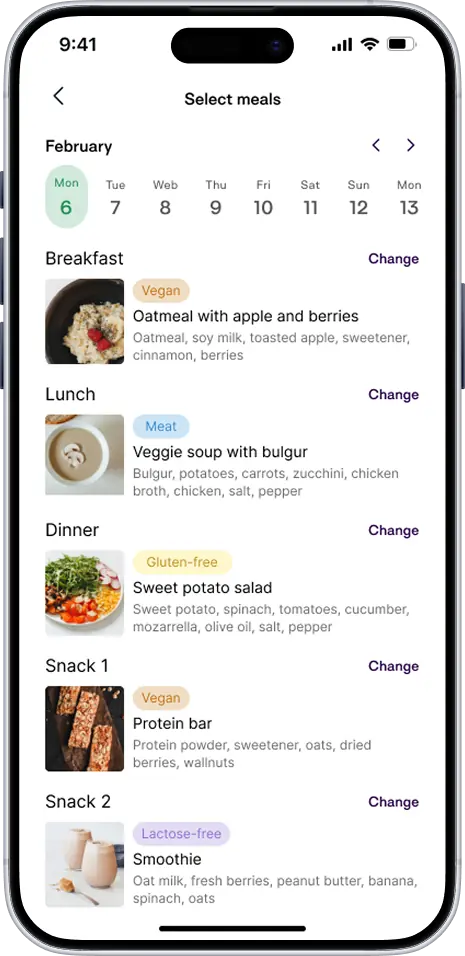
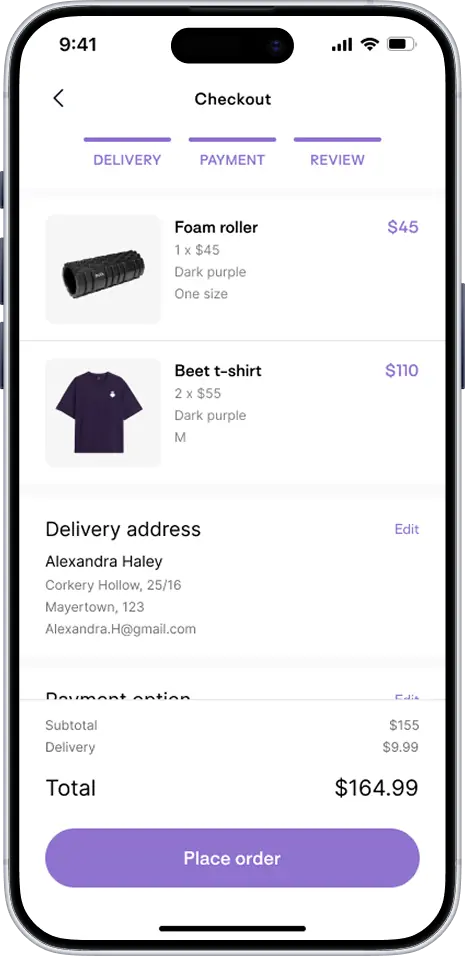
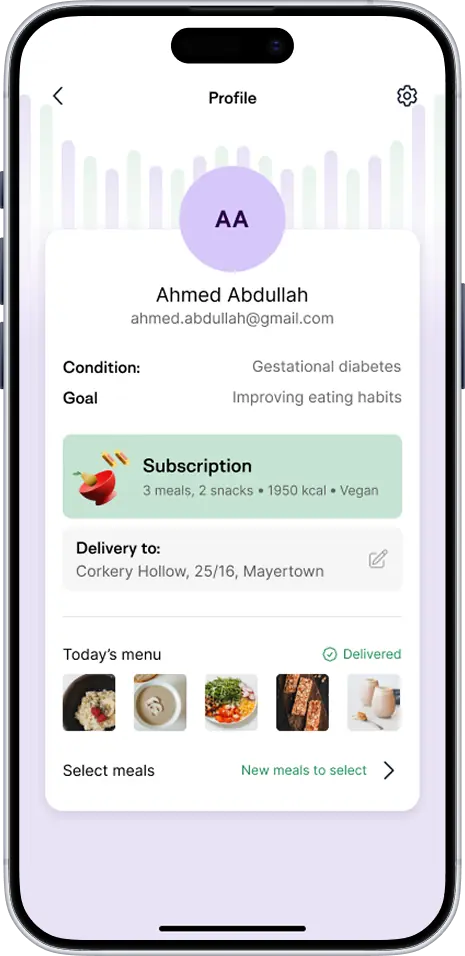
JoinBeet personalized meal plan screen on a phone
Since 2016
0+Projects Delivered
0+Clients Served
0+Countries Reached

Project Overview

A snapshot of what JoinBeet is and what Mobilions delivered.

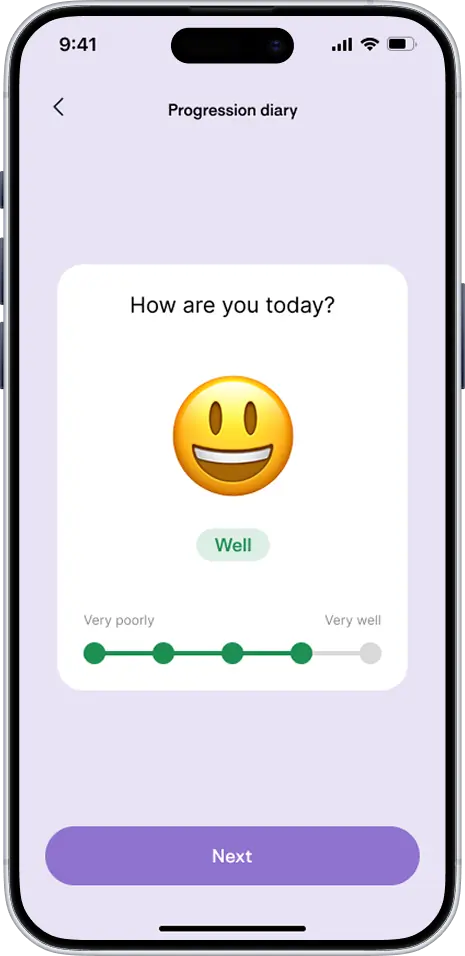
JoinBeet builds personalized meal plans around real medical data. Users answer health questions once and the system handles the rest, matching recipes to their conditions, delivering fresh meals daily and syncing progress from their wearables.

It is a full platform: two mobile apps, a clinical and kitchen admin panel, and the engine that ties medical rules to the meals that actually arrive at someone's door. Patients with diabetes, kidney disease or post-surgery recovery need meals built around strict nutritional limits, and getting those limits wrong is not a minor inconvenience.

Coordinating all of that by hand — between nutritionists, kitchens and delivery drivers — meant errors, delays and a hard ceiling on how many people the service could ever reach. The whole point of JoinBeet, which Mobilions built, was to remove that ceiling without removing the medical rigor.
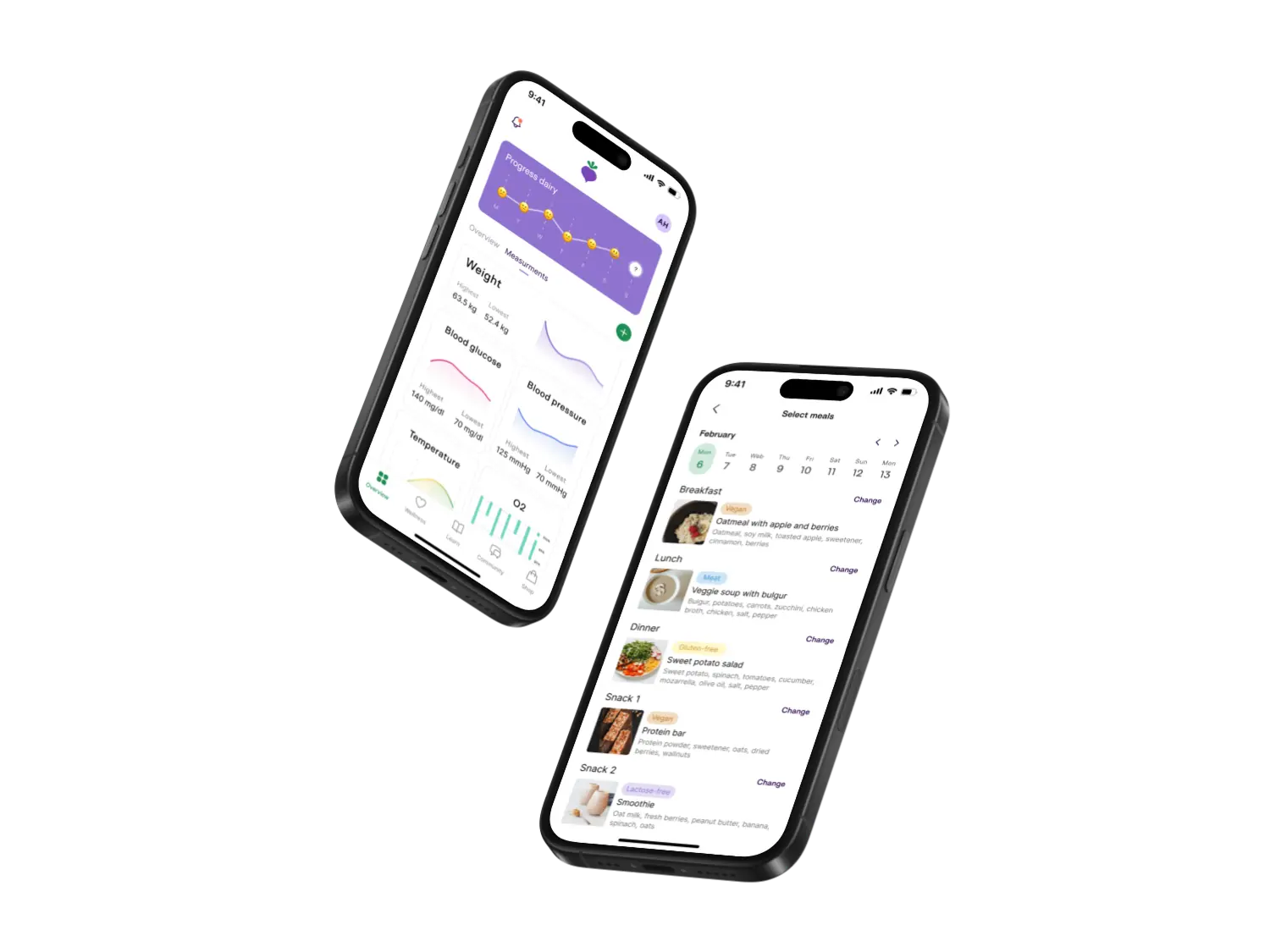
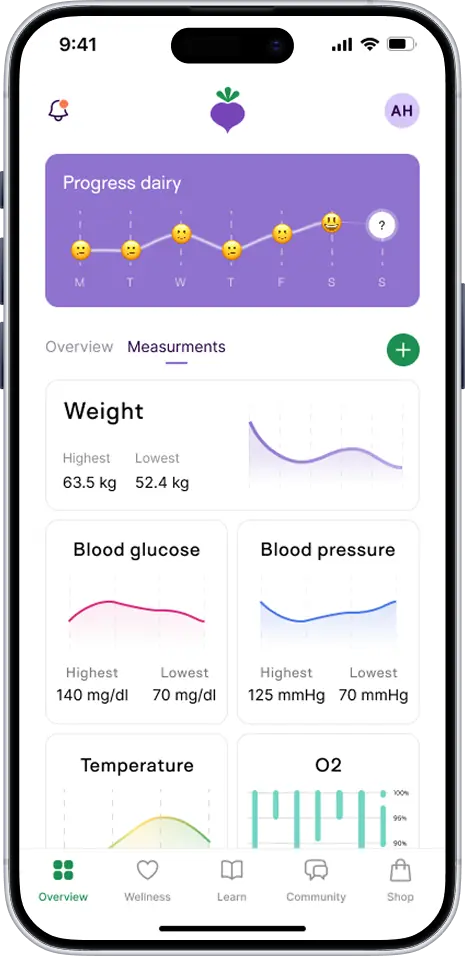
JoinBeet meal plan and wearable sync view

Client Snapshot

The essential facts about the platform and its audience.

Industry

Health and wellness, nutrition technology

Platform

iOS, Android, Web (Admin)

Year

2026

Market

Information not available in source documents.

Services Delivered

The scope of work Mobilions handled on JoinBeet.

  • Mobile app development (iOS and Android)
  • Admin / web panel development (clinical and kitchen control)
  • Automated medical meal-matching engine
  • Wearable integration
  • Payments integration
  • Role-based access control

Technology Stack

The core technologies behind the apps, backend and admin panel.

  • Mobile: Flutter 3.19, BLoC state management, Terra SDK
  • Backend: Fastify 4, Node.js, TypeScript
  • Database: PostgreSQL, MongoDB, Redis
  • Admin & web: Vue 3, Cloudflare Streams, Hesabe Payments

The Challenge

The business and technical problems JoinBeet had to solve.

Business Challenge

Medical meal plans could not scale. Coordinating strict nutritional limits by hand between nutritionists, kitchens and delivery drivers meant errors, delays and a hard ceiling on how many people the service could reach. The platform had to remove that ceiling without removing the medical rigor, serving users with drastically different nutritional requirements from a single system.

Technical Challenge

One system had to handle multi-condition nutritional constraints (diabetes, gestational diabetes, chronic kidney disease, bariatric recovery and pregnancy) without a dietitian configuring every user by hand; match recipes to hundreds of subscribers nightly without medical mismatches; serve admin roles with completely different needs through fine-grained permissions; and normalize wearable health data arriving in different formats from dozens of device brands.

Our Approach

How Mobilions moved from medical rules to food on the table.

01

Discovery

Information not available in source documents.

02

Architecture

The mobile apps are built in Flutter with BLoC state management and the Terra SDK for wearables. A Fastify backend on Node.js and TypeScript powers the API, with PostgreSQL, MongoDB and Redis behind it for relational data, time-series wearable data and caching respectively. The admin and web side runs on Vue 3, with Cloudflare Streams for content and Hesabe for payments — a deliberately layered stack chosen so a clinically sensitive, high-volume platform stays fast, reliable and safe to operate.

03

Execution

The loop runs from a medical profile to food on the table. Users complete a health profile once; a nightly algorithm matches recipes to each user's macros, allergens and meal plan tier (with users able to swap meals before the kitchen locks the day's prep); and kitchen staff prepare meals with ingredient-level accuracy while delivery workers bring them to the user's chosen time slot — without a person manually stitching the steps together.

Engineering Decisions

The pivotal calls that shaped how JoinBeet works.

01

Constraint-based meal assignment engine

Mobilions built a constraint-based meal assignment engine where each medical condition maps to a set of nutritional rules. A nightly job uses bipartite matching to assign recipes that satisfy all of a user's active constraints while keeping variety across the week. The medical rigor is encoded once and applied consistently to everyone.

02

Automated nightly matching at scale

The automated pipeline runs as a nightly cron job with a bipartite matching algorithm. In a single pass it resolves nutritional constraints, respects preferences and allergen tags, ensures recipe variety, and handles multiple meal plan tiers — including snack-based plans, seven-meal plans, Ramadan and bariatric. What was a manual bottleneck became a dependable nightly process.

03

Role-based access control with section-level permissions

Mobilions implemented role-based access control with section-level permissions. Six distinct roles — admin, chef, doctor, kitchen manager, delivery worker and editor — each see only the sections relevant to their work, and the Vue 3 panel renders navigation and controls dynamically based on the authenticated role.

Technology Considerations

Why the stack was chosen and what it traded off.

Why These Technologies

The stack was deliberately layered so a clinically sensitive, high-volume platform stays fast, reliable and safe to operate. Flutter with BLoC gives consistent cross-platform mobile apps; the Terra SDK abstracts dozens of wearable brands; PostgreSQL, MongoDB and Redis handle relational data, time-series wearable data and caching respectively; and Vue 3 powers a role-aware admin panel.

Tradeoffs

Information not available in source documents.

Scalability Considerations

Automated nightly matching replaces per-user manual assignment, letting the platform serve hundreds of subscribers without a dietitian configuring every user by hand. The Terra abstraction layer means adding a new supported wearable needs no per-brand integration work, and MongoDB time-series collections absorb high-volume wearable data.

Implementation Highlights

The features that make personalized medical nutrition operable at scale.

Smart meal plans

Daily meals are auto-assigned by a nightly algorithm that matches macros, allergens and meal plan tiers, and users can swap a meal with a tap. Personalization at this scale is only possible because the matching is automated rather than manual. The engine handles multiple tiers — snack-based, seven-meal, Ramadan and bariatric — in a single pass.

Wearable sync

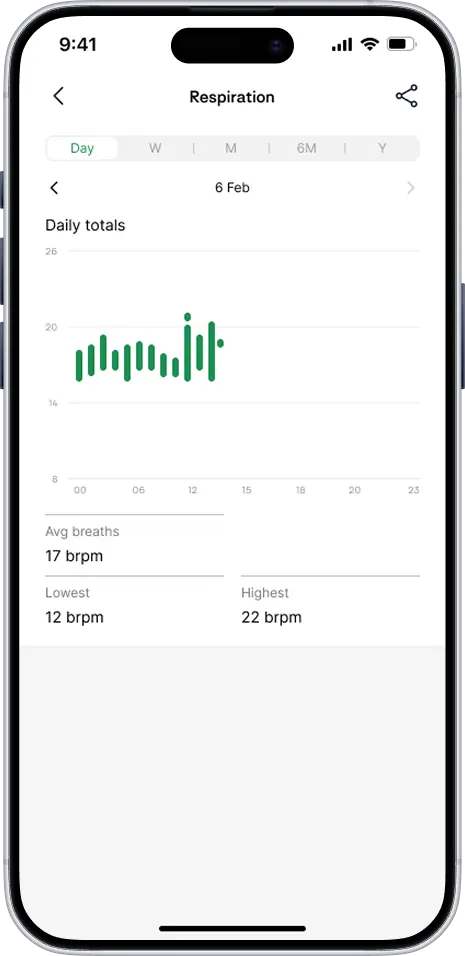
The Terra API connects Apple Watch, Fitbit and Garmin, so activity, sleep, heart rate and body metrics flow in automatically. Raw data is piped into MongoDB time-series collections, then transformed and aggregated for display, so the plan responds to how someone is actually living rather than just what they declared at sign-up.

Role-based admin panel

A Vue 3 admin panel with six role-based permission tiers runs the operation. Kitchen managers prepare meals from daily assignment views, nutritionists manage user macros, Ramadan plans and nutrient limits (sodium, potassium, phosphate), and admins track analytics across ingredients, recipes, conditions and delivery areas, with every action recorded in an audit trail.

Key Engineering Highlights

A closer look at the system underneath the platform.

Architecture

A deliberately layered stack: Flutter mobile apps, a Fastify/Node.js/TypeScript backend, and a Vue 3 admin and web layer, with Cloudflare Streams for content and Hesabe for payments.

Data Layer

PostgreSQL for relational data, MongoDB (including time-series collections) for wearable data, and Redis for caching. Wearable data is normalized via the Terra abstraction layer before being transformed and aggregated for display.

Performance

Information not available in source documents.

Security

Role-based access control with section-level permissions across six roles ensures each staff member sees only what their job needs, with every action recorded in an audit trail.

Outcome

Information not available in source documents.

Ready to build something like JoinBeet?

If you need a clinically-aware nutrition or meal-delivery platform with automated matching, wearable sync and role-based admin, let us show you how we would build it.

What Clients Say

Mobilions' clients describe fast delivery, clear communication, and senior, trustworthy engineering—in their own words.

5.0RATING

Great experience working with this team. They completed the development work quickly and efficiently without wasting time. Communication was clear and consistent, they understood the requirements well, gave smart suggestions, and delivered exactly as discussed. I'd highly recommend them to anyone looking for a reliable, fast, and skilled app development team.

5.0RATING

We worked with Ankit, Mayur, and Tushar to build the first version of Baba Hebrew for iOS and Android, and they delivered super fast. The team was responsive, reliable, and efficient, taking the idea from zero to a working app in record time. I'd recommend them to anyone who wants to get an MVP live quickly.

5.0RATING

Tushar and Ankit did an outstanding job developing our native iOS (Swift) and Android (Kotlin) apps. They were efficient, responsive, and technically strong throughout. Thanks to their work, we launched successfully and gained over 1,000 users in the first 30 days. Highly recommend this team for quality mobile app development.

5.0RATING

It was a wonderful experience working with Tushar, Ankit, and their team. They built a great mobile app for me and truly brought my vision to life. What stood out was not just their technical skill but their attitude: always positive, solution-oriented, and incredibly patient. They went above and beyond at every step, finding creative workarounds and staying committed even when things got challenging. Extremely professional and trustworthy. I would absolutely hire them again.

5.0RATING

Great experience working with this team. They completed the development work quickly and efficiently without wasting time. Communication was clear and consistent, they understood the requirements well, gave smart suggestions, and delivered exactly as discussed. I'd highly recommend them to anyone looking for a reliable, fast, and skilled app development team.

5.0RATING

We worked with Ankit, Mayur, and Tushar to build the first version of Baba Hebrew for iOS and Android, and they delivered super fast. The team was responsive, reliable, and efficient, taking the idea from zero to a working app in record time. I'd recommend them to anyone who wants to get an MVP live quickly.

5.0RATING

Tushar and Ankit did an outstanding job developing our native iOS (Swift) and Android (Kotlin) apps. They were efficient, responsive, and technically strong throughout. Thanks to their work, we launched successfully and gained over 1,000 users in the first 30 days. Highly recommend this team for quality mobile app development.

5.0RATING

It was a wonderful experience working with Tushar, Ankit, and their team. They built a great mobile app for me and truly brought my vision to life. What stood out was not just their technical skill but their attitude: always positive, solution-oriented, and incredibly patient. They went above and beyond at every step, finding creative workarounds and staying committed even when things got challenging. Extremely professional and trustworthy. I would absolutely hire them again.

Frequently Asked Questions

Answers to the questions teams ask before commissioning a build like this.

It depends on scope. The cost of a build like this is driven by scope, features, integrations, compliance requirements, team composition, and infrastructure complexity. We provide a fixed estimate after a short discovery call once those are defined.

Each medical condition maps to a set of nutritional rules, and a nightly job uses a matching algorithm to assign recipes that satisfy all of a user's active constraints while keeping variety. It respects calorie targets, allergens and the meal plan tier, so hundreds of personalized, medically appropriate plans are produced automatically each night rather than by hand.

Terra is an abstraction layer that connects many wearable brands, such as Apple Watch, Fitbit and Garmin, through one integration. In JoinBeet, raw data flows into time-series storage and is transformed for display, so activity, sleep, heart rate and body metrics appear in clear charts, and adding a new supported device needs no per-brand work.

By designing for it from the start. JoinBeet handles content such as Arabic recipe names alongside English, with layouts built to work correctly in both left-to-right and right-to-left directions. Building bilingual and RTL support in early, rather than retrofitting it, is what makes the experience feel native in each language.

It means each staff member sees only what their job needs. In JoinBeet, six roles — admin, chef, doctor, kitchen manager, delivery worker and editor — each get section-level permissions, and the panel renders navigation and controls based on who is logged in. Kitchen staff see prep views, nutritionists see clinical controls, managers see analytics and audit logs.

A full platform like JoinBeet took around seven months, given the mobile apps, the admin panel, the matching engine and the integrations. A smaller first version is faster. We work in two-week sprints with working software throughout, so a large build like this still shows steady, visible progress.

Yes. JoinBeet's assignment engine handles multiple meal plan tiers in a single pass, including snack-based plans, seven-meal plans, Ramadan plans and bariatric plans, each with its own rules. The engine is built around flexible constraints, so new plan types can be added without rebuilding the core matching logic.

By encoding the medical rules into the engine and applying them consistently. Each condition maps to strict nutritional constraints, the matching algorithm only assigns recipes that satisfy all of a user's active constraints, and nutritionists retain fine control over limits such as sodium, potassium and phosphate. Safety comes from the rules being enforced automatically rather than relied on by memory.

Yes — that was the core goal. Automated nightly matching replaces the per-user manual assignment that used to bottleneck the service, so hundreds of subscribers can be served without a dietitian configuring every user by hand. The platform removes the operational ceiling while keeping clinical control in the hands of nutritionists.

Let's build your next big thing

Let's build your next big thing. Share your idea and get a free consultation—we respond within one business day.

0+
Products shipped
0+
Clients served
0+
Countries reached
Call Us (USA)
+1-856-524-5593

Get a Free Quote

A senior engineer replies within one business day · NDA on request · no obligation · you own the code and IP.